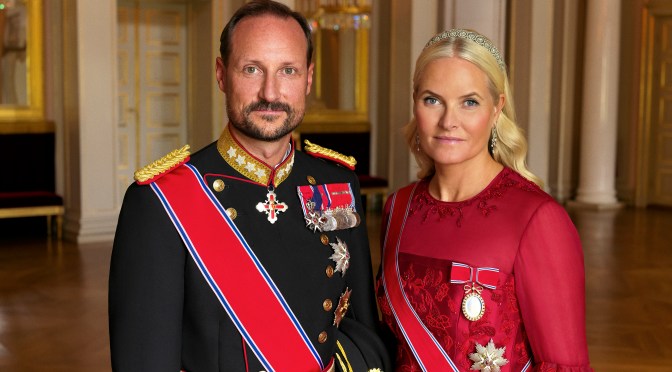
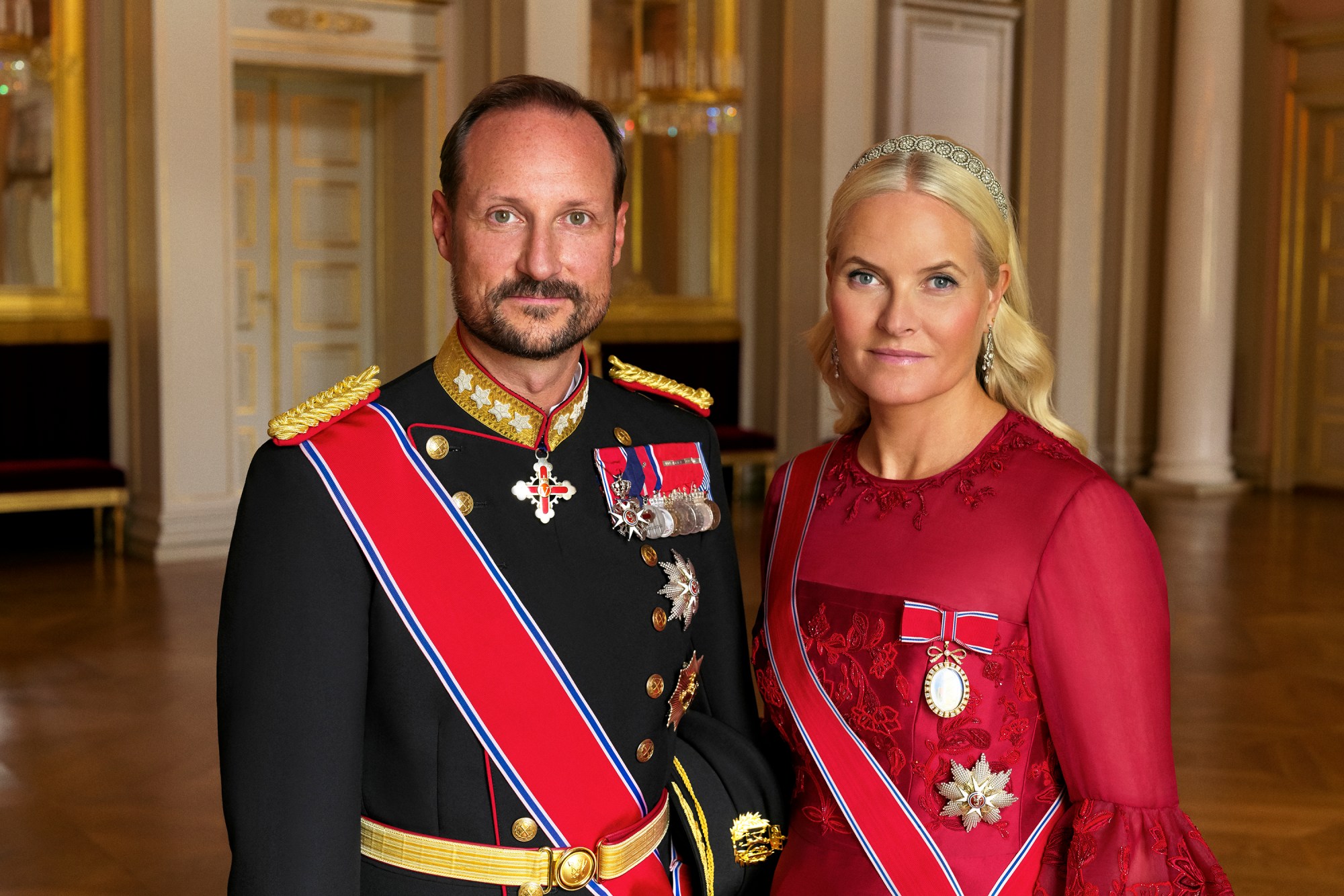
In Oslo, the Royal Household of Norway has announced that His Royal Highness Crown Prince Haakon of Norway will shorten his forthcoming official visit to Japan due to the health condition of Her Royal Highness Crown Princess Mette-Marit of Norway.
According to the Royal Household, the Crown Prince will maintain his official program in Tokyo from June 1st through June 3rd, while the scheduled visit to the port city of Hachinohe on June 4th has been cancelled.
The Crown Prince had originally been scheduled to undertake an official visit to Japan from June 1st through June 4th.
In October 2018, the Royal Household of Norway announced that Crown Princess Mette-Marit had been diagnosed with chronic pulmonary fibrosis, a progressive lung disease characterized by scarring of lung tissue that can gradually impair respiratory function and breathing capacity.
Since November 2025, the number of official engagements carried out by the Crown Princess has been reduced significantly as a consequence of her health condition.
Crown Princess Mette-Marit made a brief public appearance during Norway’s National Day celebrations on May 17th, 2026, and also attended a reception honoring Norwegian athletes who participated in the Milano Cortina Paralympic Games earlier this year.
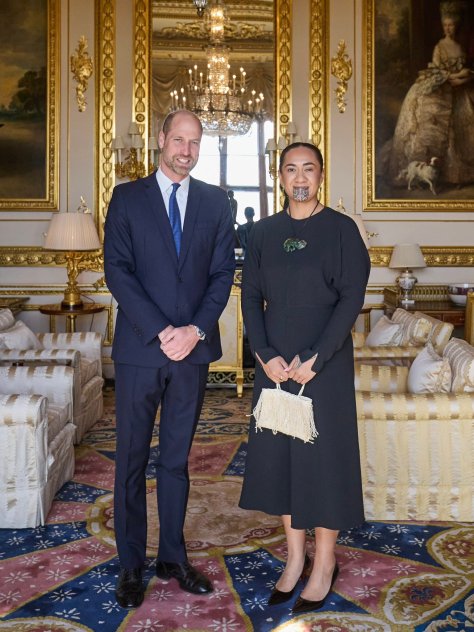
Photos courtesy of the Kiingitanga/Buckingham Palace
Photos courtesy of the Kiingitanga/Buckingham Palace
Photos courtesy of the Kiingitanga/Buckingham Palace
Photos courtesy of the Kiingitanga/Buckingham Palace
Photos courtesy of the Kiingitanga/Buckingham Palace
Photos courtesy of the Kiingitanga/Buckingham Palace
Photos courtesy of the Kiingitanga/Buckingham Palace
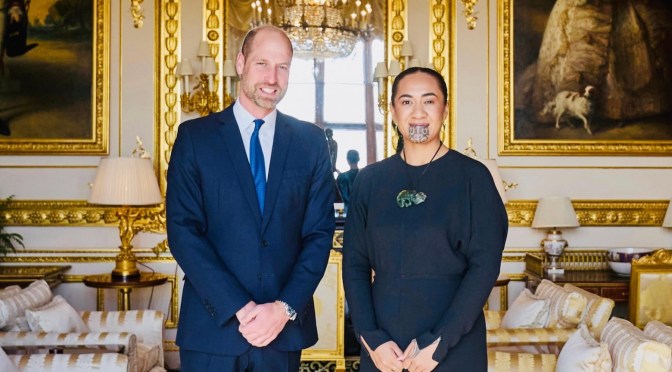
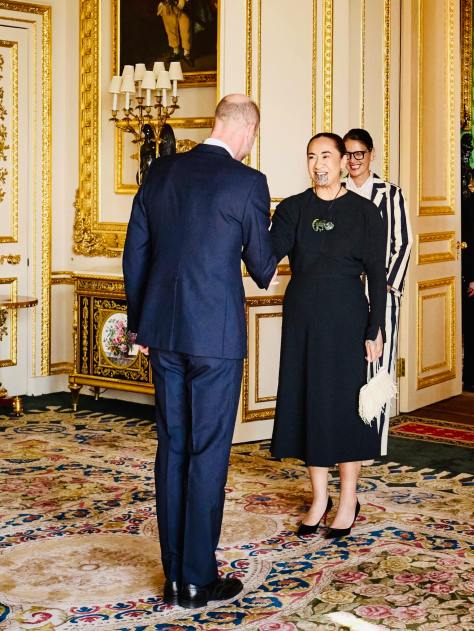
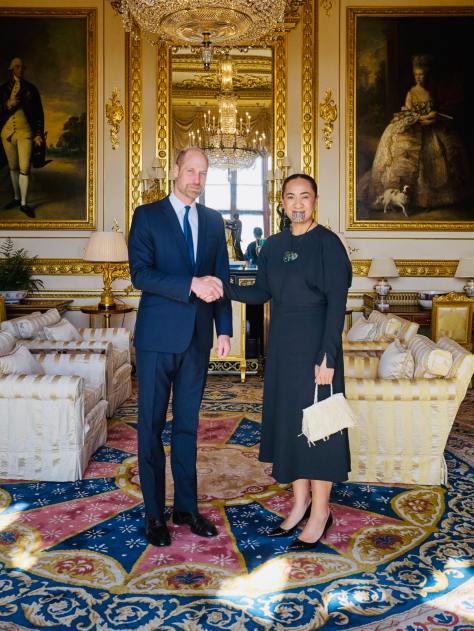
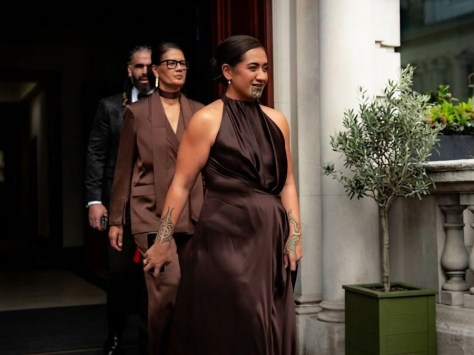
On Tuesday, the Māori Queen Te Arikinui Kuini Nga wai hono i te po held an audience with His Royal Highness The Prince of Wales at Windsor Castle during an official visit to the United Kingdom connected to the 50th anniversary celebrations of The King’s Trust.
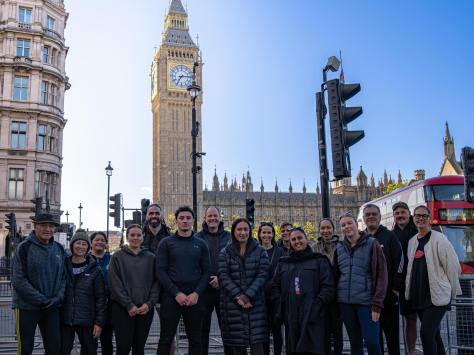
According to a statement released by the Kiingitanga, the Māori Queen traveled to London in support of young entrepreneurs from Aotearoa New Zealand participating in a series of events organized through The King’s Trust Aotearoa New Zealand.
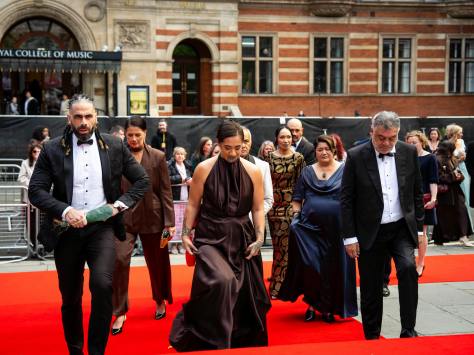
On Monday evening, the Māori Queen attended A King’s Trust Celebration at the Royal Albert Hall alongside Their Majesties Charles III and Camilla of the United Kingdom. The anniversary event brought together ambassadors, alumni, volunteers, and supporters of the organization in recognition of the charity’s 50 years of work supporting young people through education, training, and entrepreneurship initiatives.
Four young entrepreneurs from New Zealand were selected to participate in the visit after establishing businesses focused on creating employment opportunities and supporting local communities. During their time in London, the group is expected to meet with international business leaders, entrepreneurs, and representatives connected to the global network of the King’s Trust.
In a statement issued ahead of the visit, Kiingitanga spokesperson, Rahui Papa, said the participation of the young entrepreneurs reflected the importance of leadership, innovation, and long-term opportunities for future generations.
Established by then-Prince Charles in 1976 as The Prince’s Trust, the organization supports young people through education, training, and entrepreneurship initiatives across several Commonwealth countries.
On Thursday, the Māori Queen and the four rangatahi entrepreneurs from Aotearoa New Zealand are also expected to attend a garden party at Buckingham Palace.
Photos courtesy of the Palais Princier de Monaco/Michaël Alesi
Photos courtesy of the Palais Princier de Monaco/Michaël Alesi
Photos courtesy of the Palais Princier de Monaco/Michaël Alesi
Photos courtesy of the Palais Princier de Monaco/Michaël Alesi
Photos courtesy of the Palais Princier de Monaco/Michaël Alesi
Photos courtesy of the Palais Princier de Monaco/Michaël Alesi
Photos courtesy of the Palais Princier de Monaco/Michaël Alesi
Photos courtesy of the Palais Princier de Monaco/Michaël Alesi
Photos courtesy of the Palais Princier de Monaco/Michaël Alesi
Photos courtesy of the Palais Princier de Monaco/Michaël Alesi
Photos courtesy of the Palais Princier de Monaco/Michaël Alesi
Photos courtesy of the Palais Princier de Monaco/Michaël Alesi
Photos courtesy of the Palais Princier de Monaco/Michaël Alesi
Photos courtesy of the Palais Princier de Monaco/Michaël Alesi
Photos courtesy of the Palais Princier de Monaco/Michaël Alesi
Photos courtesy of the Palais Princier de Monaco/Michaël Alesi
Photos courtesy of the Palais Princier de Monaco/Michaël Alesi
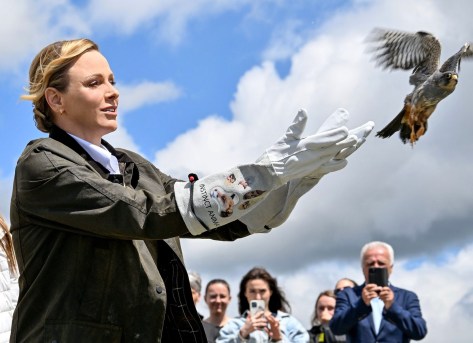
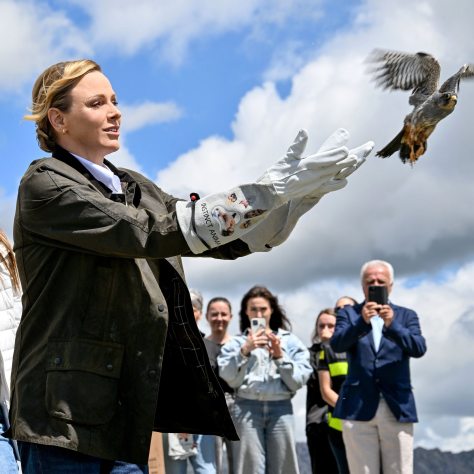
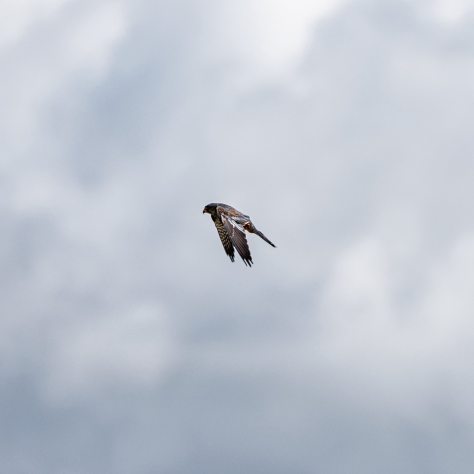
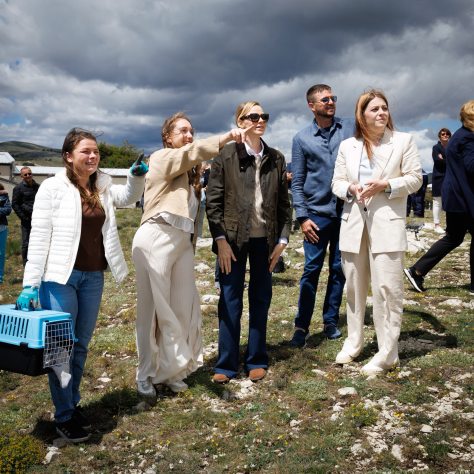
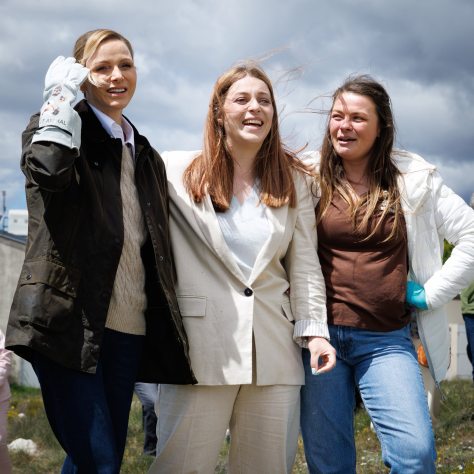
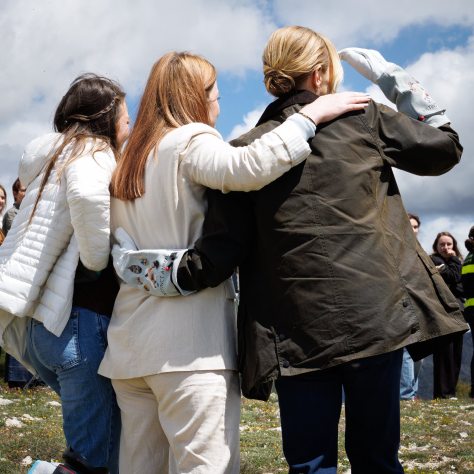
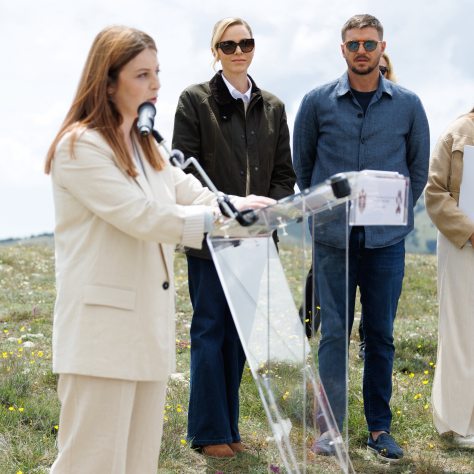
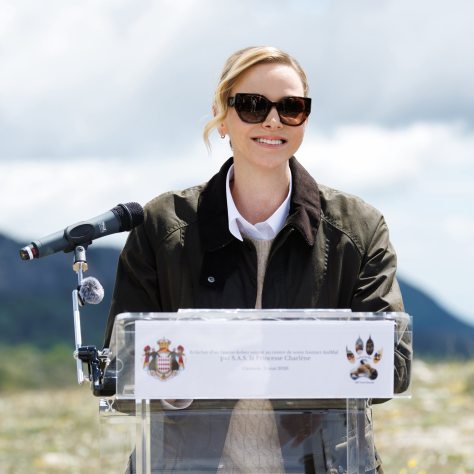
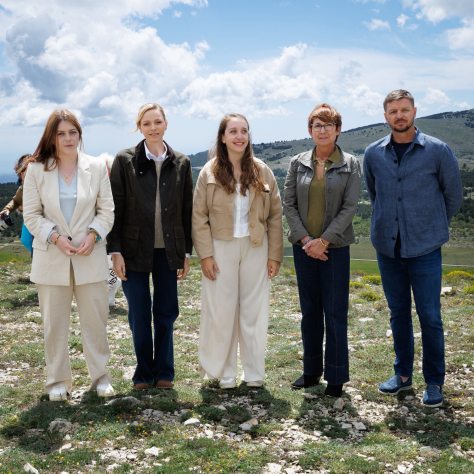
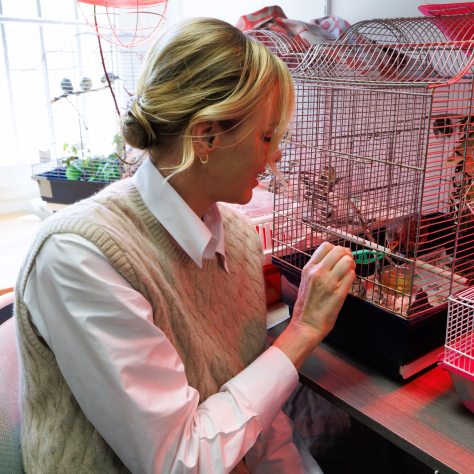
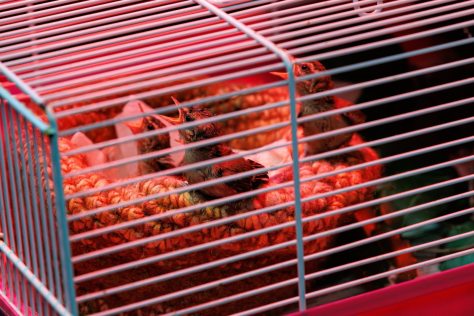
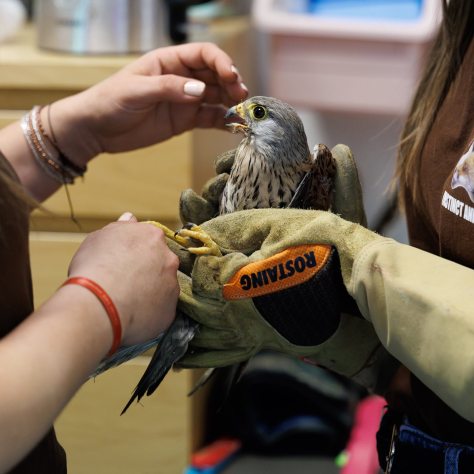
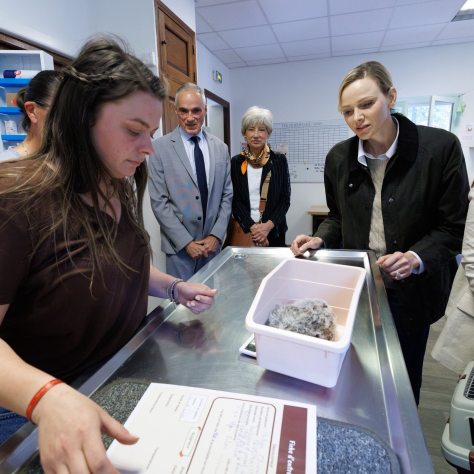
This afternoon, Her Serene Highness Princess Charlene of Monaco participated in the release of a rehabilitated Red-footed Falcon at the Observatoire Astronomique du plateau de Calern in Caussols, France.
The Princess was accompanied by her brother, Mr. Gareth Wittstock, during the event organized in cooperation with the wildlife rescue association Instinct Animal SOS Faune Sauvage.
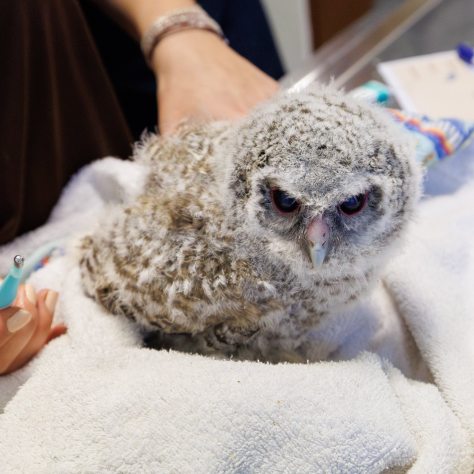
According to the Palais Princier de Monaco, the bird of prey had previously suffered severe injuries, including electrocution and a fractured wing, before undergoing several months of veterinary treatment and rehabilitation. The species, known for its long migratory routes between Asia and southern Africa, was later released back into the wild during the event.
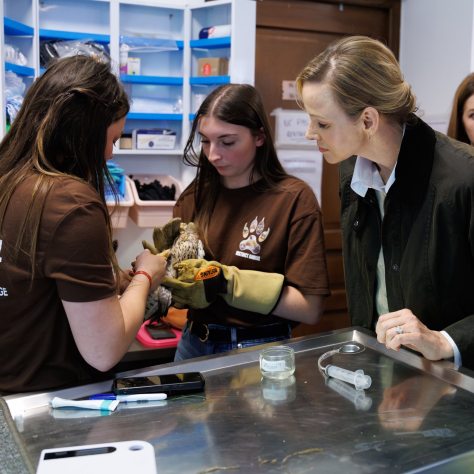
Princess Charlene, who has supported several animal welfare and wildlife protection initiatives in Monaco and neighboring regions, also announced her patronage of the association. The Princess currently serves as President of the SPA Refuge de Monaco.
Following the release, the Princess visited the organization’s wildlife treatment center in Saint-Cézaire-sur-Siagne in southeastern France. Opened in 2025, the facility specializes in the rescue, treatment, and rehabilitation of injured wild animals from across the Alpes-Maritimes region and neighboring departments.
According to the association, the center has already treated nearly animals since beginning operations and functions through a combination of public support, private donations, and corporate sponsorship.
Photos courtesy of the Ministry of Education, Science and Culture of the Free State of Thuringia
Photos courtesy of the Ministry of Education, Science and Culture of the Free State of Thuringia
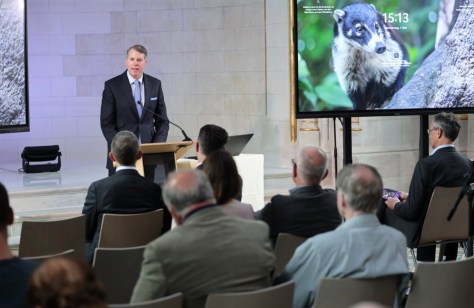
On Thursday, His Highness Prince Hubertus of Saxe-Coburg and Gotha attended the opening of the conference, England in Thüringen: Kunst, Sport, Gärten und Architektur, held at Schloss Reinhardsbrunn in the German Free State of Thuringia.
The three-day conference brought together British and German historians, researchers, and cultural specialists to examine the historical and cultural relationship between the United Kingdom and Thuringia, with particular attention given to the dynastic connection associated with the House of Saxe-Coburg and Gotha.
In remarks delivered during the opening of the conference, Prince Hubertus cited the marriage of Prince Albert of Saxe-Coburg and Gotha to Queen Victoria of the United Kingdom of Great Britain and Ireland in 1840, describing the union as one of the most significant historical links between the United Kingdom and the German duchies of Thuringia. Through the marriage, the British royal house adopted the dynastic name Saxe-Coburg and Gotha until King George V changed the name to Windsor on July 17th, 1917, during the First World War.
According to organizers, the conference examines the broader cultural influence of Anglo-German dynastic relations from the 18th century onward, including their impact on architecture, landscape design, collecting traditions, literature, sport, and scientific exchange.
The conference was formally opened at the recently restored chapel of Schloss Reinhardsbrunn and attended by representatives from German cultural institutions and the British diplomatic community, including the Ambassador of the United Kingdom to the Federal Republic of Germany, Andrew Mitchell.
Organizers stated that the conference forms part of preparations for a larger cultural and tourism initiative planned for 2029 and 2030, intended to promote public awareness of the historic relationship between the German state of Thuringia and the United Kingdom through exhibitions, research projects, and cultural programming across the region.
The historical relationship between the United Kingdom and the former duchies of Thuringia remains closely associated with the House of Saxe-Coburg and Gotha, whose descendants continue to reign in or descend from several European royal houses, including the British royal family and the royal family of Belgium.
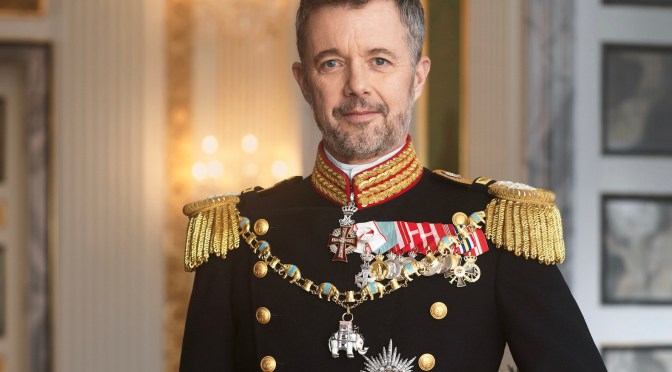
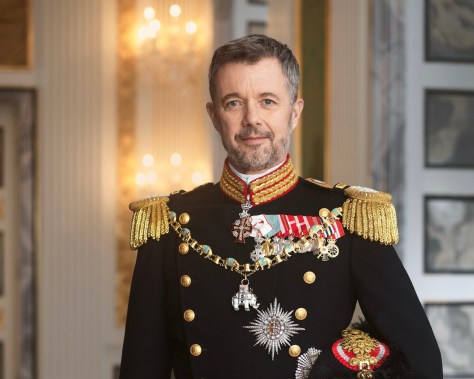
Portrait courtesy of Steen Evald/Det Danske Kongehus
Courtesy of Det Danske Kongehus
In Copenhagen, His Majesty King Frederik X of Denmark reopened consultations with Denmark’s political parties after the Acting Prime Minister of the Kingdom of Denmark, Mette Frederiksen, informed the Sovereign that she had been unable to form a new government following negotiations initiated after the March 24th general election.
According to the Royal Household of Denmark, Acting Prime Minister Frederiksen met with His Majesty the King at Frederik VIII’s Palace at Amalienborg at 5:30 p.m. on May 8th, where she formally advised that it had not been possible to establish a government in accordance with the mandate she received during the royal consultations held on March 25th.
Acting Prime Minister Frederiksen subsequently recommended that representatives of the political parties represented in the Folketing once again be summoned to Amalienborg to advise the King on who should next be tasked with leading negotiations to form a government.
Party leaders and representatives were thereafter invited to attend renewed consultations at Amalienborg beginning at 7:00 p.m., following the traditional sequence established according to parliamentary representation.
The development marks a significant setback in Denmark’s post-election coalition negotiations, which began after no political bloc secured an outright majority in the 179-seat Folketing during the March election.
Following the election, Acting Prime Minister Frederiksen had initially been designated as kongelig undersøger (royal investigator) after parties representing the largest parliamentary grouping recommended that she lead coalition discussions. Her mandate focused on exploring the formation of a government potentially involving Socialdemokratiet, Socialistisk Folkeparti, and Radikale Venstre.
However, after several weeks of negotiations, Acting Prime Minister Frederiksen has now concluded that a viable governing coalition could not be formed under her leadership.
Under Denmark’s constitutional framework, the Sovereign acts in accordance with parliamentary advice and does not independently select governments. The renewed consultations at Amalienborg are intended to determine which political figure may now command sufficient parliamentary support to continue coalition negotiations.
The outcome could lead to a cross-bloc coalition, a minority administration supported externally by other parties, or potentially a broader centrist arrangement, depending on the recommendations presented to the King.
Portrait courtesy of H.R.H. Prince Abdul Mateen of Brunei/Instagram/Brilliant Day Photography
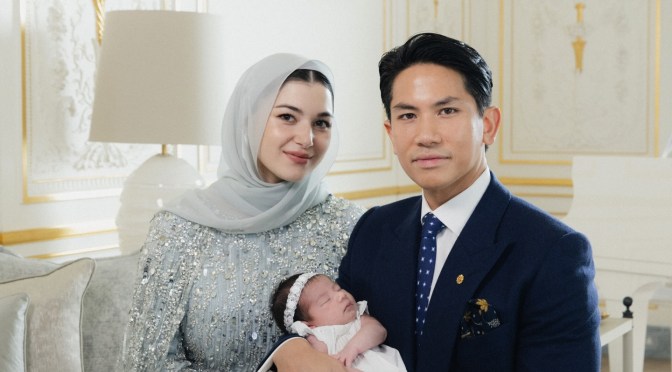
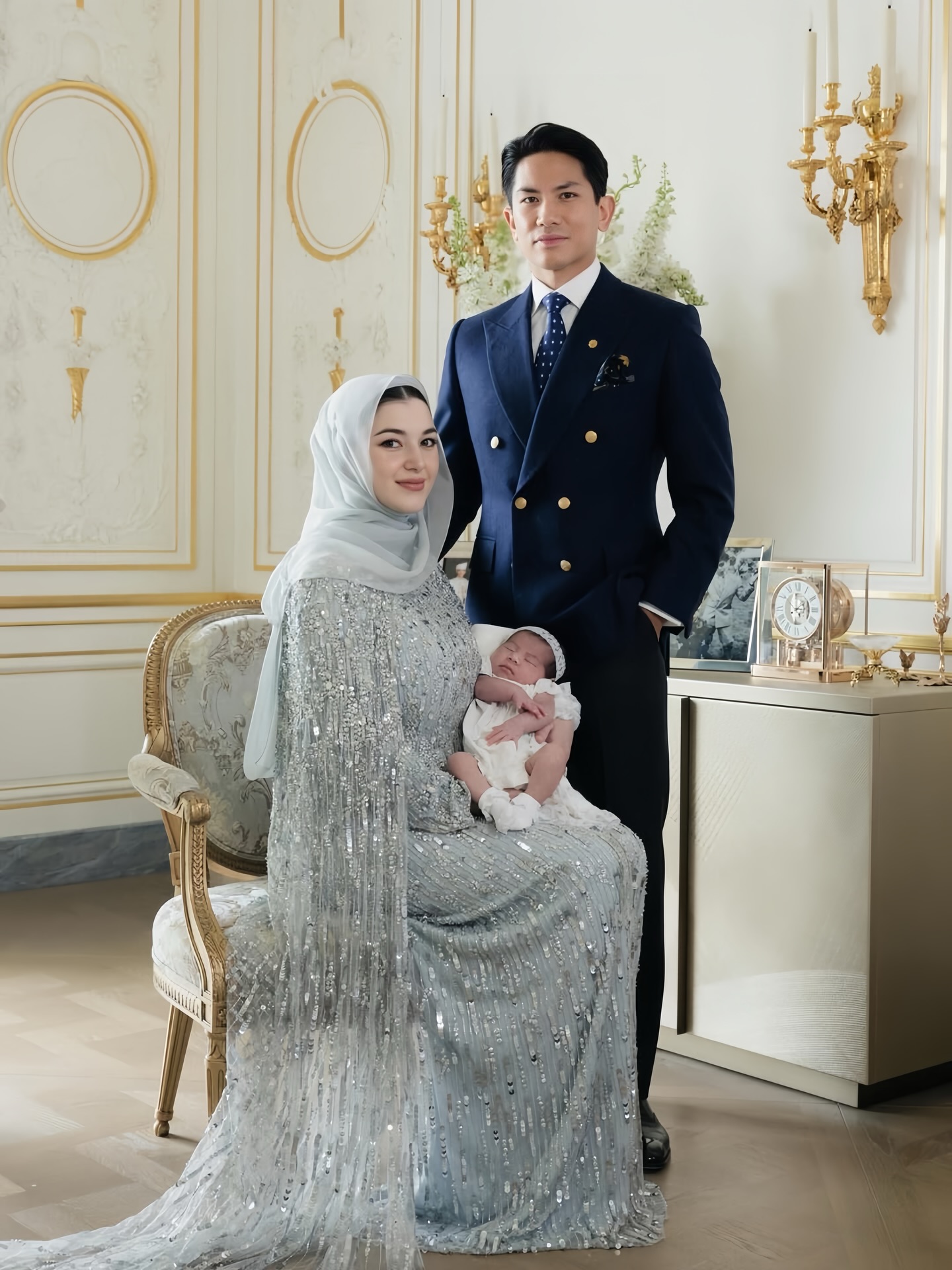
On the occasion of Eid Al-Fitr, His Royal Highness Prince Abdul Mateen of Brunei released a new formal portrait of himself and his family.
In the portrait, the Prince stands alongside his wife, Her Royal Highness Princess Anisha Rosnah of Brunei, who is seen holding their daughter, Her Royal Highness Princess Zahra Mariam Bolkiah of Brunei, in a composed family setting.
The image was photographed by Brilliant Day Photography, a Bangkok-based photography studio.
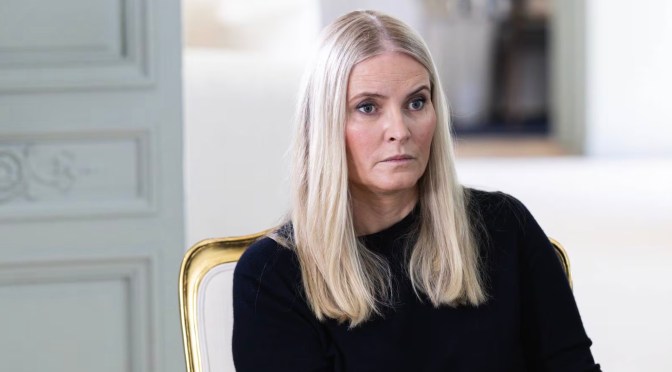
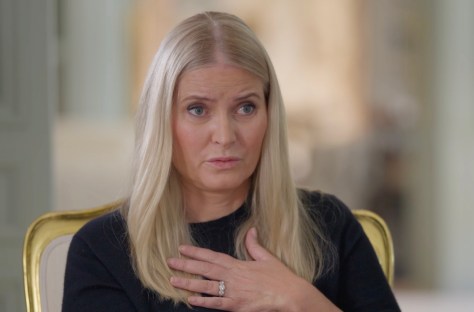
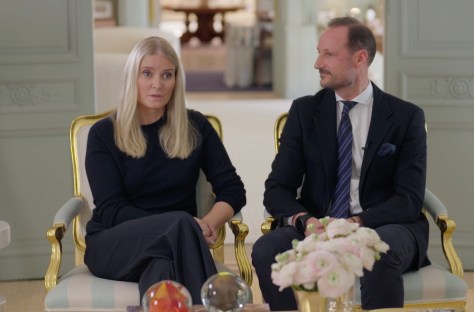
In an interview broadcast on NRK (Norsk Rikskringkasting), Her Royal Highness Crown Princess Mette-Marit of Norway has publicly addressed her past association with Jeffrey Epstein for the first time, offering an account that acknowledges regret while raising broader questions regarding judgment and responsibility.
Speaking alongside His Royal Highness Crown Prince Haakon at their residence, Skaugum, the Crown Princess confirmed that she maintained a friendly relationship with Epstein between 2011 and 2014. She described him as “a friend of a friend,” explaining that the introduction came through trusted international contacts connected to her work.
The Crown Princess stated that she relied on those personal networks, as well as her own inclination to see the best in others, when choosing to remain in contact. This included a period following an incident at Epstein’s residence in Palm Beach that she described as having left her feeling unsafe.
However, correspondence later released by the United States Department of Justice and the House Oversight Committee presents a markedly different tone. The emails show exchanges that appear casual and, at times, flippant, a contrast that has drawn public scrutiny.
Among them is a message sent following the wedding of His Royal Highness Hereditary Grand Duke Guillaume of Luxembourg and Countess Stéphanie de Lannoy in October 2012, in which the Crown Princess described the event as “boring.” In the interview, she did not dispute the remark, instead acknowledging the difficulty of seeing such comments made public and the potential for them to cause offense.
Other messages include informal references to relationships and infidelity, which the Crown Princess characterized as “banter” and described in Norwegian as “sleivete,” or careless in tone. The nature of these exchanges, given the recipient, has contributed to ongoing criticism.
The Crown Princess stated that she ultimately severed contact after concluding that Epstein was “a bad person.” She further acknowledged that she should have exercised greater due diligence, including more thoroughly investigating his background, and expressed regret that she did not warn others.
While maintaining that she was unaware of the full extent of Epstein’s criminal activity at the time, she also recognized that her association may have conferred a degree of legitimacy upon him, a consequence she described as difficult to confront in retrospect.
The full NRK interview has been made available for those living outside of Norway:


 The Royal Correspondent