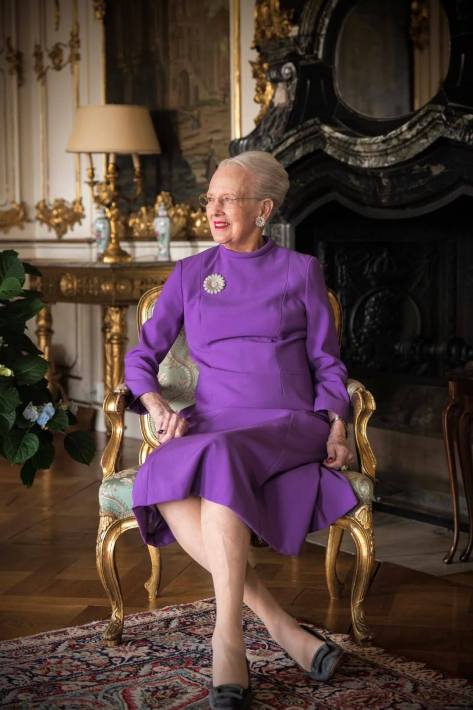
In Copenhagen, the Director of Communications for the Royal Household of Denmark, Ms. Nina Z. Munch-Perrin, has announced that Her Majesty Queen Margrethe of Denmark has been discharged from Rigshospitalet and has returned to Fredensborg Slot.
According to the Royal Household, Queen Margrethe is doing well but must continue to rest following her discharge from the hospital, as was also the case after her previous discharge on May 19th.
The Royal Household further stated that Queen Margrethe’s participation in forthcoming official engagements will continue to be assessed on an ongoing basis. At present, no changes have been made to previously announced engagements.
Queen Margrethe was admitted to Rigshospitalet on May 25th, 2026, following the discovery of a larger blood accumulation in the hip region resulting from a fall at Fredensborg Slot on September 18th, 2024.
Earlier in May, on May 14th, 2026, Queen Margrethe was also admitted to Rigshospitalet after suffering a heart attack. The Royal Household confirmed at the time that she had undergone a balloon angioplasty procedure involving one of the coronary arteries of the heart.
Queen Margrethe abdicated the throne on January 14th, 2024, after more than 52 years as Sovereign of the Kingdom of Denmark. Upon her abdication, her eldest son, Frederik, acceded to the throne.
Since her abdication, Queen Margrethe has continued to participate in selected public engagements and cultural patronages, although her public appearances have become increasingly limited in recent years following several health-related absences and medical procedures.
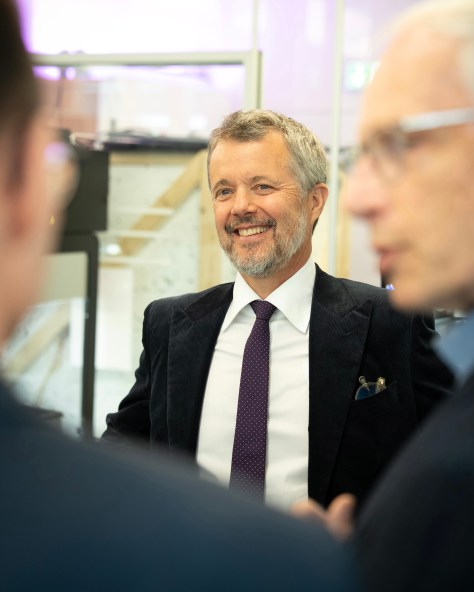
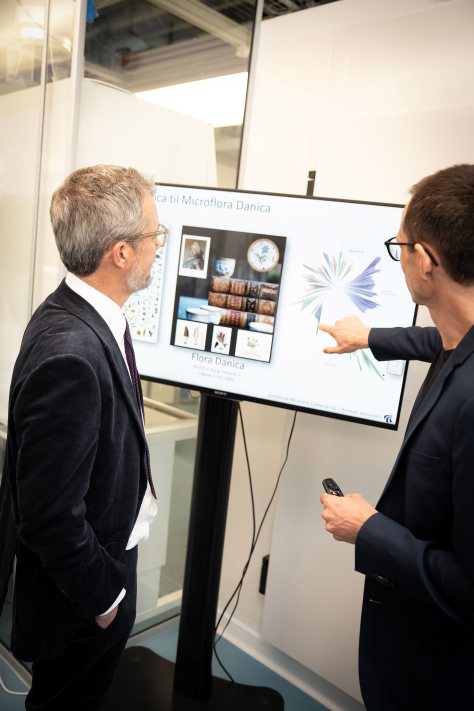
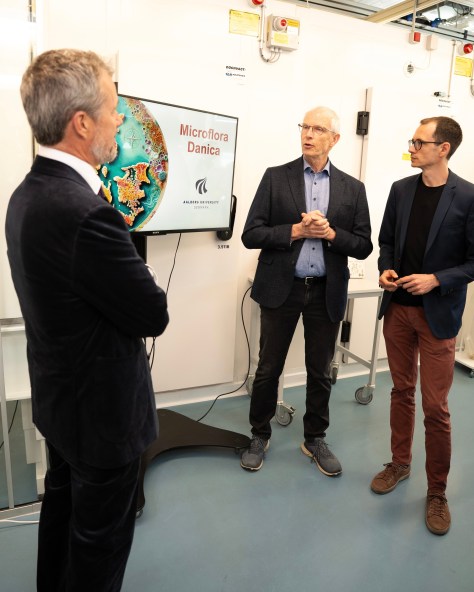
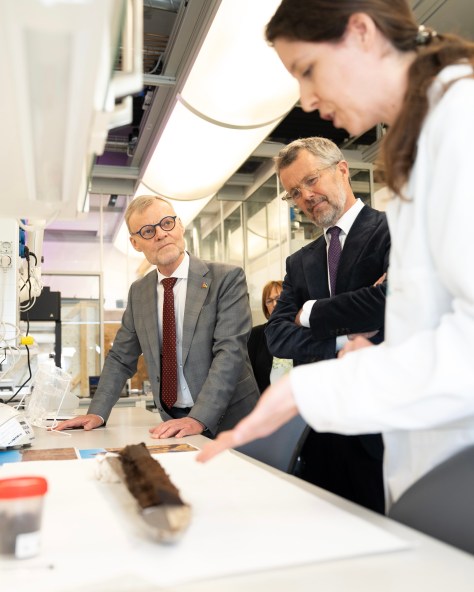
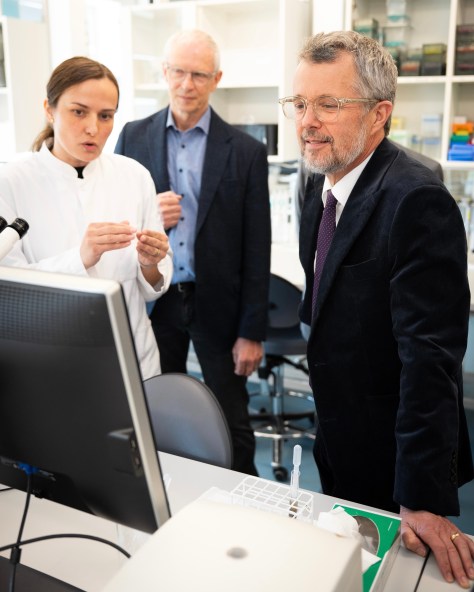
On Friday, His Majesty King Frederik X of Denmark visited Aalborg University as researchers formally concluded the nationwide scientific project Microflora Danica, an extensive study examining the microscopic organisms living within the Kingdom of Denmark’s soil, forests, lakes, coastal regions, and urban environments.
The project, based on more than 10,000 environmental samples collected across the Kingdom of Denmark over six years, sought to map the country’s microbial biodiversity using advanced DNA analysis. Researchers described the initiative as the first large-scale scientific survey of Denmark’s invisible microbial ecosystems.
The title Microflora Danica was intentionally inspired by Flora Danica, the historic botanical survey commissioned under King Frederik V in 1761, documenting the plant life of the Kingdom of Denmark. Researchers at Aalborg University described King Frederik X’s participation in the conclusion of the project as a symbolic continuation of Denmark’s longstanding relationship between scientific discovery and the monarchy.
During the visit, the King officially unveiled the names of four newly identified bacterial species discovered during the project.
Among them was Margrethea Danica, a rare bacterium named in honor of Her Majesty Queen Margrethe of Denmark. According to researchers, the bacterium represents a previously unknown major branch on the scientific “tree of life,” the evolutionary framework used to trace relationships between living organisms. Researchers noted that discoveries representing entirely new branches within the tree of life remain exceptionally rare.
Researchers stated that the naming of Margrethea Danica recognized Queen Margrethe’s longstanding support of scientific, cultural, and academic initiatives throughout her reign.
King Frederik X also approved the names of three additional bacterial species associated with locations connected to the royal family of Denmark and royal history.
The bacterium Graastenia ingridihorti was identified near Gråsten Slot and references the historic castle gardens associated with the late Queen Ingrid of Denmark, the King’s grandmother. Gribskovia venatica, discovered in Gribskov, references Denmark’s historic royal hunting landscapes, while Querciregia multidomus was identified near Kongeegen at Jægerspris Nordskov, one of the oldest known oak trees in Denmark.
According to researchers, the project has provided new insight into microorganisms involved in nitrogen cycles, greenhouse gas formation, and ecosystem development, with potential implications for environmental restoration, agricultural management, and climate research.
The findings from Microflora Danica have been published in the scientific journal Nature Microbiology, while the broader research project has been recognized internationally as one of Denmark’s most significant recent scientific initiatives.
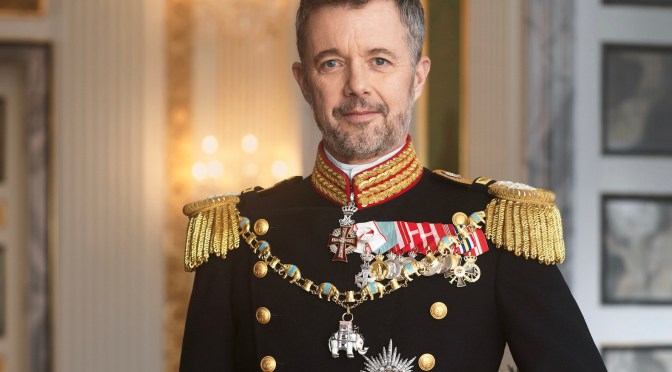
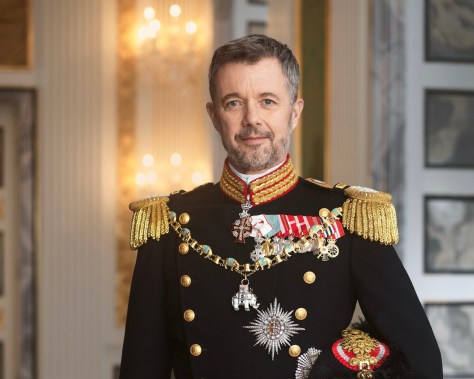
Portrait courtesy of Steen Evald/Det Danske Kongehus
Courtesy of Det Danske Kongehus
In Copenhagen, His Majesty King Frederik X of Denmark reopened consultations with Denmark’s political parties after the Acting Prime Minister of the Kingdom of Denmark, Mette Frederiksen, informed the Sovereign that she had been unable to form a new government following negotiations initiated after the March 24th general election.
According to the Royal Household of Denmark, Acting Prime Minister Frederiksen met with His Majesty the King at Frederik VIII’s Palace at Amalienborg at 5:30 p.m. on May 8th, where she formally advised that it had not been possible to establish a government in accordance with the mandate she received during the royal consultations held on March 25th.
Acting Prime Minister Frederiksen subsequently recommended that representatives of the political parties represented in the Folketing once again be summoned to Amalienborg to advise the King on who should next be tasked with leading negotiations to form a government.
Party leaders and representatives were thereafter invited to attend renewed consultations at Amalienborg beginning at 7:00 p.m., following the traditional sequence established according to parliamentary representation.
The development marks a significant setback in Denmark’s post-election coalition negotiations, which began after no political bloc secured an outright majority in the 179-seat Folketing during the March election.
Following the election, Acting Prime Minister Frederiksen had initially been designated as kongelig undersøger (royal investigator) after parties representing the largest parliamentary grouping recommended that she lead coalition discussions. Her mandate focused on exploring the formation of a government potentially involving Socialdemokratiet, Socialistisk Folkeparti, and Radikale Venstre.
However, after several weeks of negotiations, Acting Prime Minister Frederiksen has now concluded that a viable governing coalition could not be formed under her leadership.
Under Denmark’s constitutional framework, the Sovereign acts in accordance with parliamentary advice and does not independently select governments. The renewed consultations at Amalienborg are intended to determine which political figure may now command sufficient parliamentary support to continue coalition negotiations.
The outcome could lead to a cross-bloc coalition, a minority administration supported externally by other parties, or potentially a broader centrist arrangement, depending on the recommendations presented to the King.
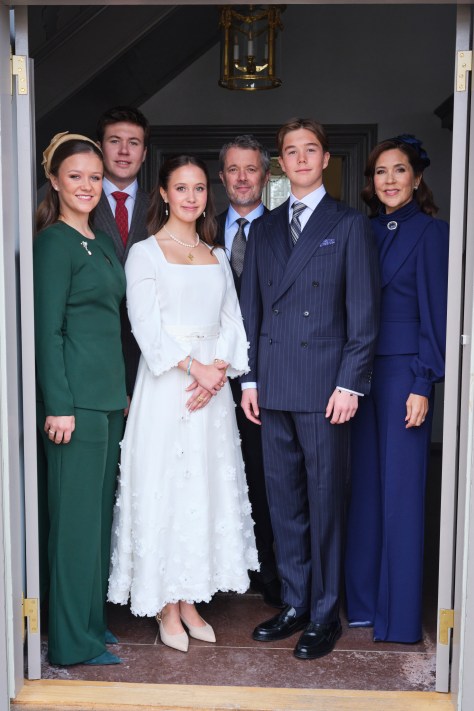
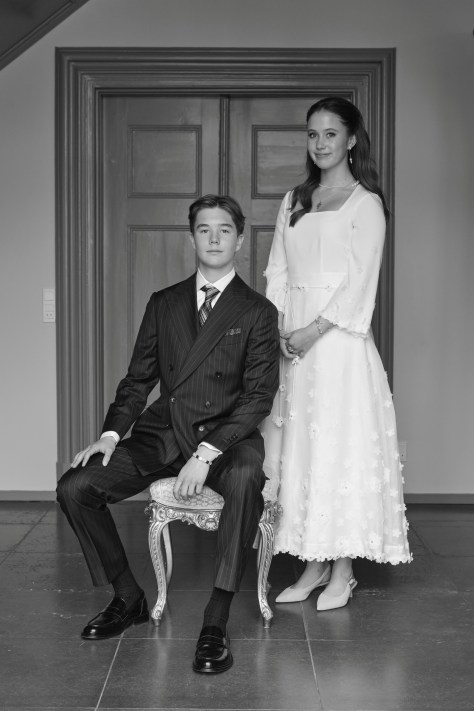
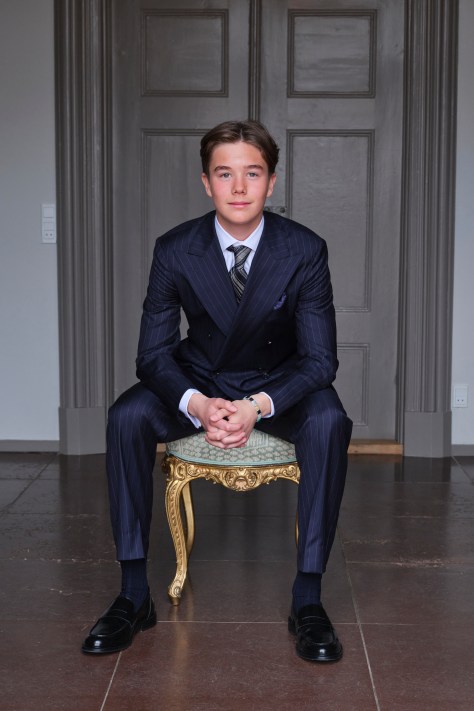
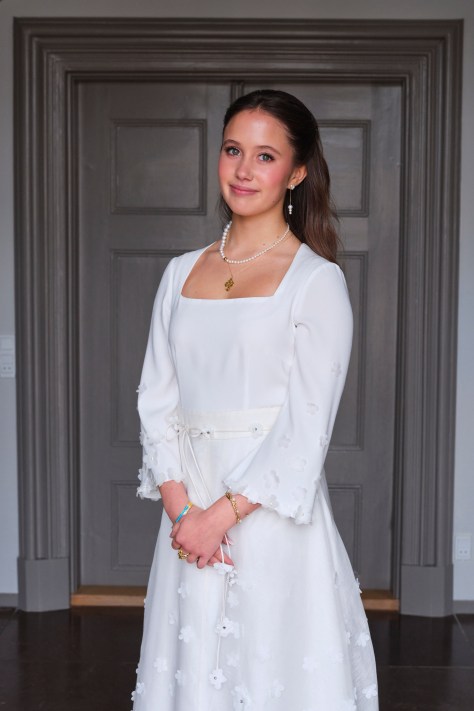
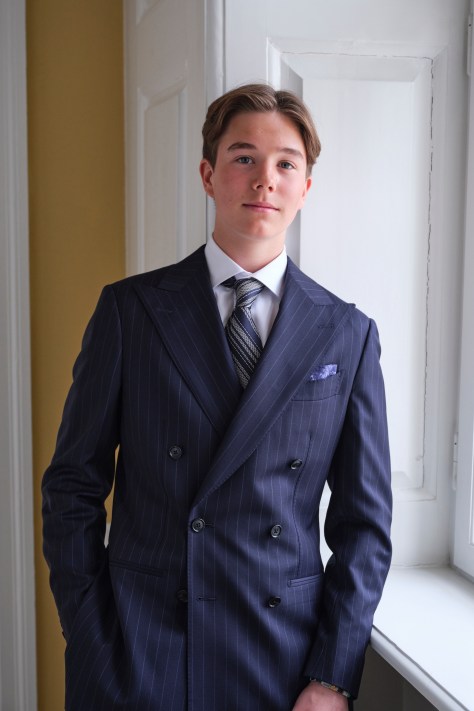
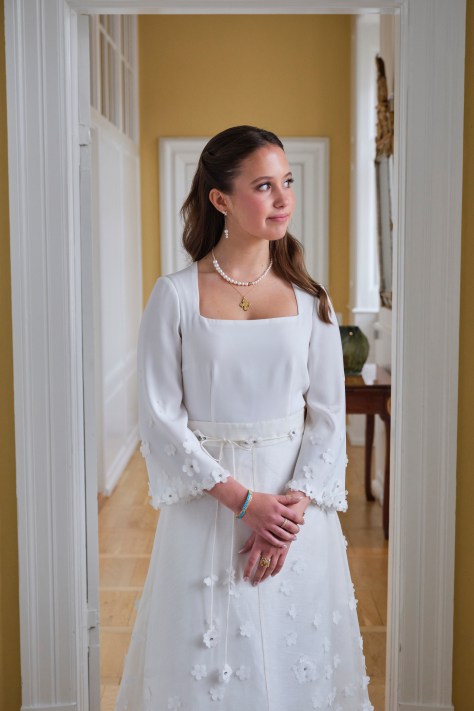
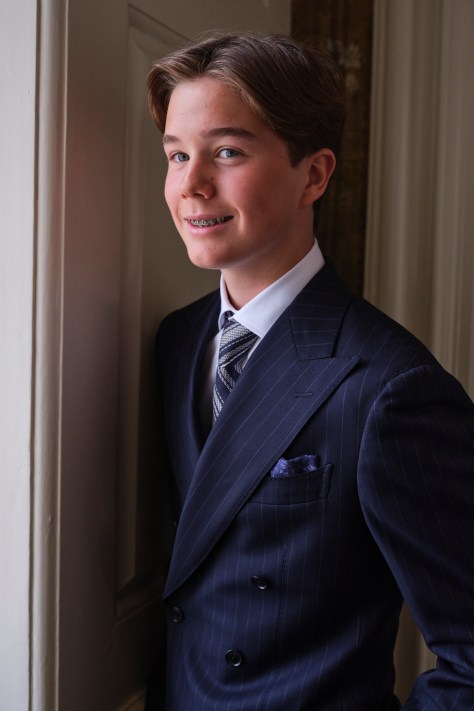
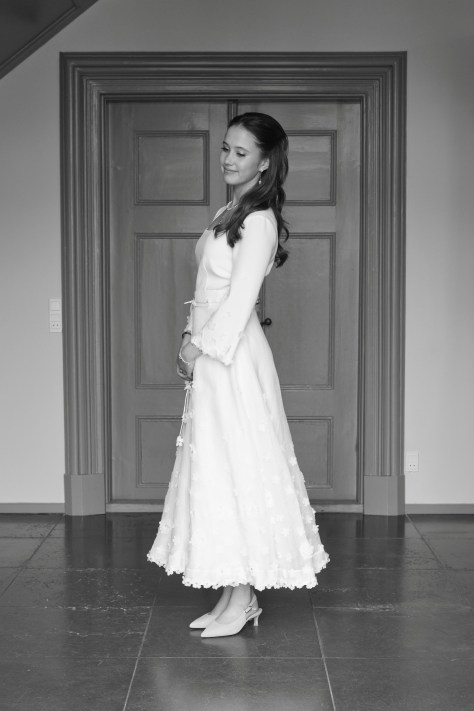
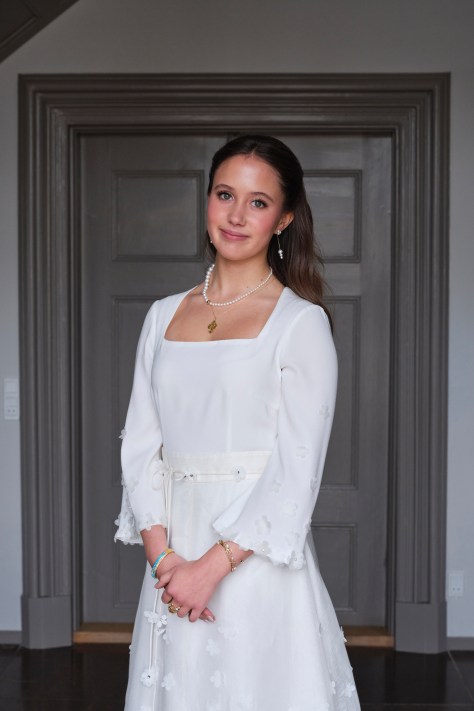
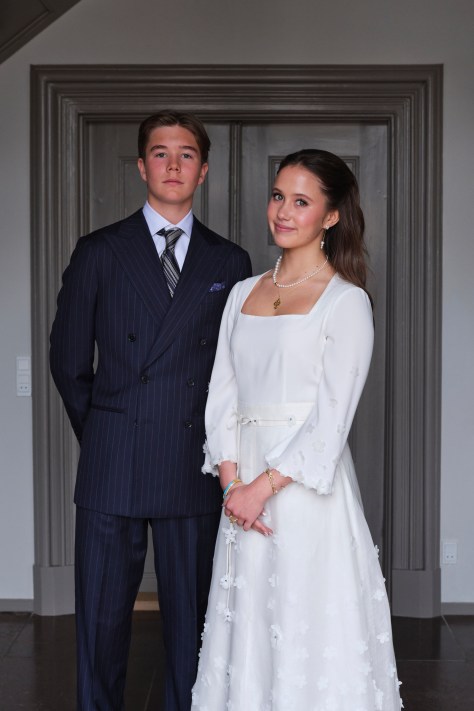
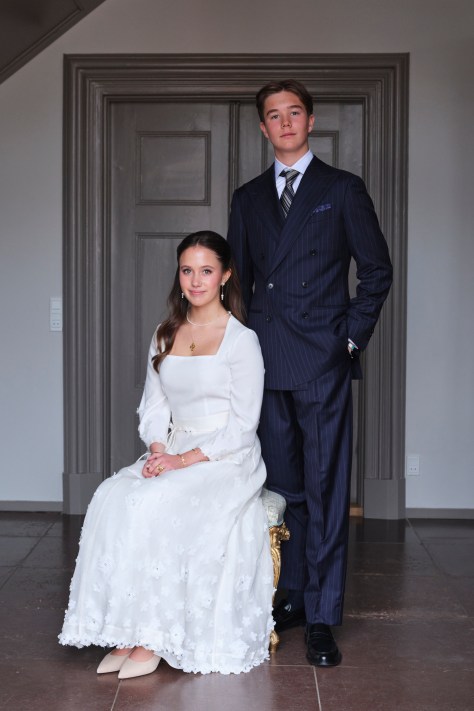
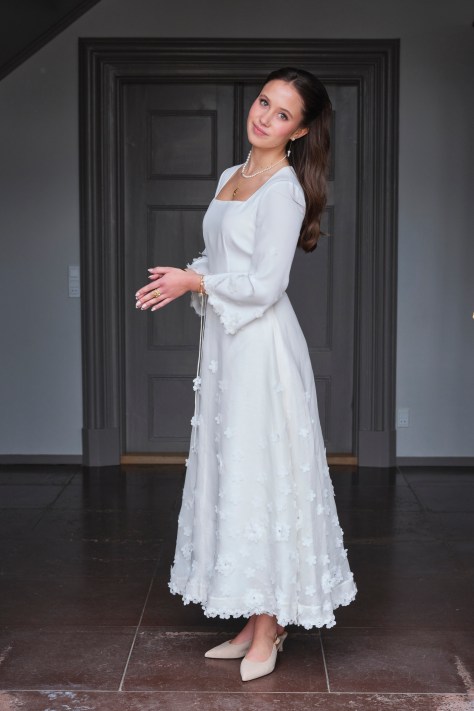
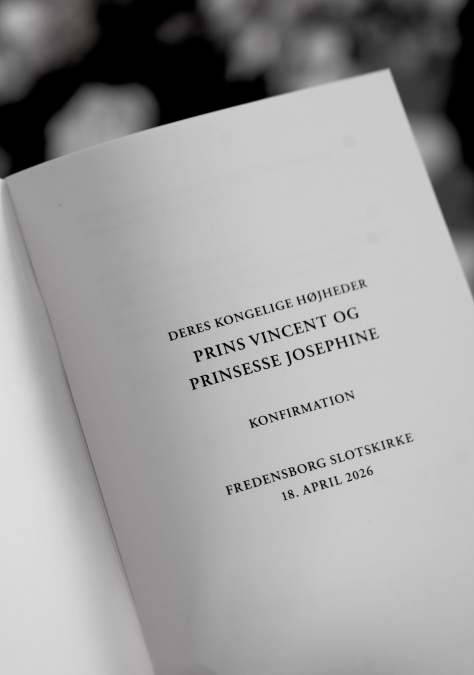
This morning in Fredensborg, His Royal Highness Prince Vincent of Denmark and Her Royal Highness Princess Josephine of Denmark were confirmed at Fredensborg Slotskirke at Fredensborg Slot.
The confirmation was presided over by Bishop Henrik Wigh-Poulsen, Bishop of Aarhus and Kongelig Konfessionarius (Royal Confessor).
Fredensborg Slotskirke has, for more than a century, served as a central setting for confirmations within the royal family of Denmark. Her Majesty Queen Margrethe of Denmark, then Princess Margrethe of Denmark, was confirmed there on April 1st, 1955. His Majesty King Frederik X of Denmark was confirmed in the same chapel on May 28th, 1981, followed by His Royal Highness Prince Joachim of Denmark on June 10th, 1982.
More recently, Fredensborg Slotskirke has also been the site of the confirmations of His Royal Highness Crown Prince Christian of Denmark on May 15th, 2021, and Her Royal Highness Princess Isabella of Denmark on April 30th, 2022.
The Church of Denmark is an Evangelical Lutheran church and the constitutionally established national church of the Kingdom of Denmark. Under the Danish Constitution, the monarch is required to belong to the Church, a requirement tied to its constitutional and historical position within the Danish state.
The Church of Denmark emerged from the Lutheran Reformation in the 16th century, formally established under the reign of King Christian III, who introduced Lutheranism in 1536. Since that period, the Danish monarchy has maintained a close institutional relationship with the Church, including a constitutional and administrative relationship within the state framework, alongside public funding through both church taxation and state support.
Within the Lutheran tradition, confirmation is not regarded as a sacrament in the same sense as in the Catholic Church. Instead, it constitutes a public affirmation of baptismal faith. Candidates typically undertake a period of instruction in Christian doctrine before being confirmed during a church service.
In the Kingdom of Denmark, confirmation retains both religious and social significance. For members of the royal family, it also carries symbolic constitutional significance, reflecting the monarch’s required membership in the national church under the Danish Constitution.
Members of the royal family of Denmark attended this morning’s confirmation ceremony alongside foreign royalty, family, and close friends. Among those present were Her Majesty Queen Margrethe of Denmark, Their Royal Highnesses Prince Joachim and Princess Marie of Denmark, the godmother of Princess Josephine, His Excellency Count Nikolai of Monpezat, His Excellency Count Felix of Monpezat, His Majesty King Felipe VI of Spain, the godfather of Prince Vincent.
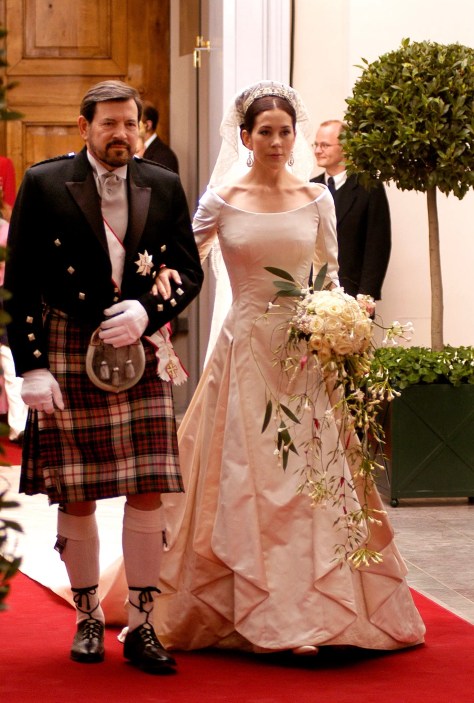
Mr. John Stuart Donaldson, the brother of Her Majesty Queen Mary of Denmark and the godfather of Prince Vincent, Mrs. Patricia Bailey, the sister of Her Majesty Queen Mary of Denmark and the godmother of Princess Josephine, Mrs. Jane Stephens, the sister of Her Majesty Queen Mary of Denmark, Their Royal Highnesses Prince Charles and Princess Camilla of Bourbon-Two Sicilies, Duke and Duchess of Castro.
His Serene Highness Prince Gustav of Sayn-Wittgenstein-Berleburg, the first cousin of His Majesty King Frederik X of Denmark and the godfather of Prince Vincent, Baron Otto and Baroness Helle Reedtz-Thott, the godmother of Prince Vincent, Her Serene Highness Princess Alexandra of Sayn-Wittgenstein-Berleburg, the first cousin of His Majesty King Frederik X of Denmark, and Count Michael Ahlefeldt-Laurvig-Bille, godfather of Prince Vincent.
Mr. Peter Heering and Mrs. Caroline Heering, the godmother of Prince Vincent, Count Bendt Wedell, the godfather of Princess Josephine, Mr. Jeppe Handwerk and Mrs. Birgitte Handwerk, the godmother of Princess Josephine, and Ms. Josephine Rechner, the godmother of Princess Josephine.
Prior to the ceremony, official portraits of Prince Vincent and Princess Josephine were photographed inside Kancellihuset at Fredensborg Slot. The images were captured by Danish photographer, Ms. Karen Rosetzsky.
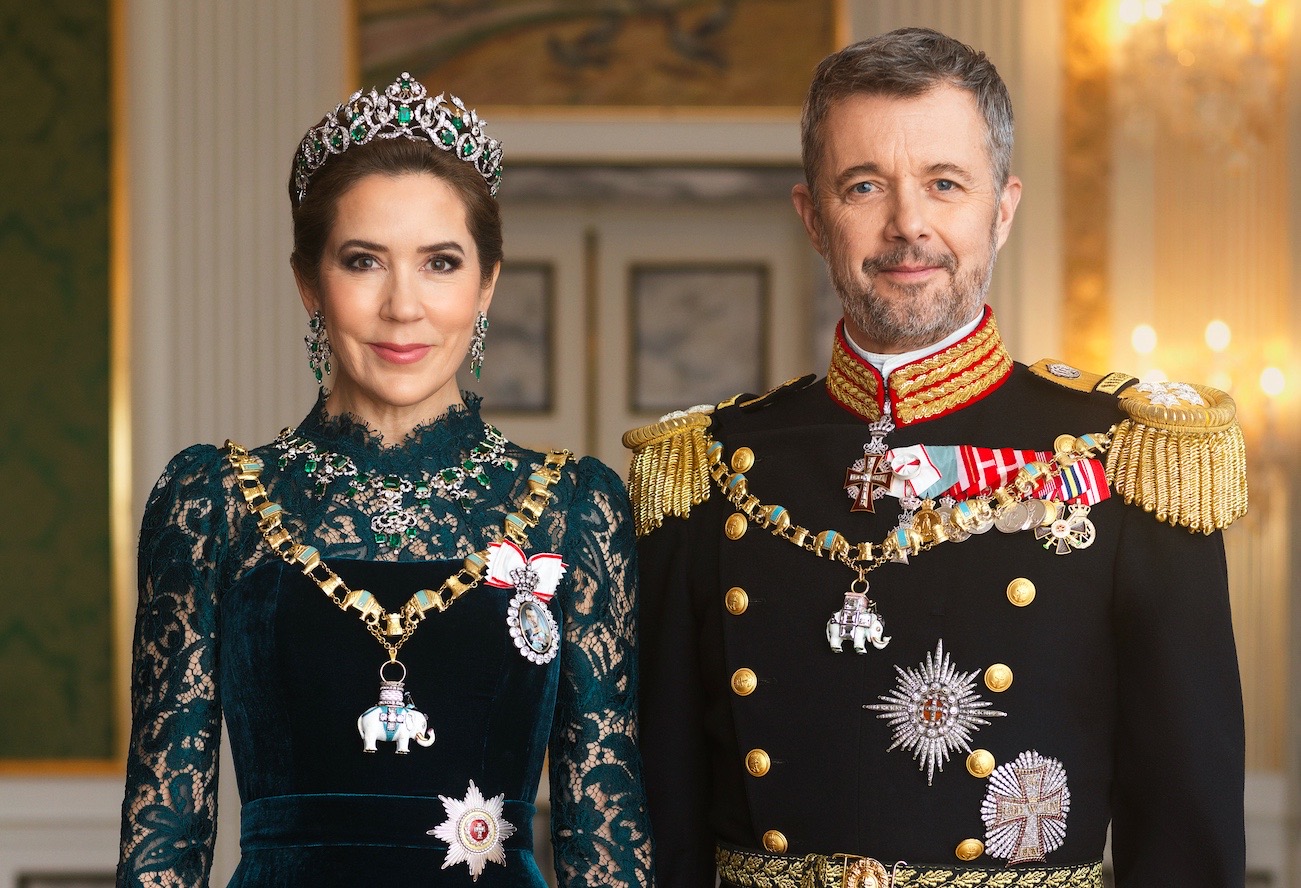
This afternoon, it was announced by the Royal Household of Denmark that Their Majesties King Frederik X and Queen Mary of Denmark, accompanied by their family, will take up residence at Kancellihuset (Chancellery House) at Fredensborg Slot on May 4th, 2026, relocating from Frederik VIII’s Palace at Amalienborg in Copenhagen.
Kancellihuset serves as the summer residence of Their Majesties. Following their marriage on May 14th, 2004, the then Crown Prince Couple resided there while Frederik VIII’s Palace underwent extensive restoration works, completed in 2010.
In accordance with tradition, Their Majesties will be formally welcomed to the town of Fredensborg by Mayor Thomas Lykke Pedersen. The occasion will be marked by flag displays and a concert performance featuring the Fredensborg Slotskirke and the Fredensborg Brass Ensemble. The ceremony is scheduled to take place at 5 p.m.
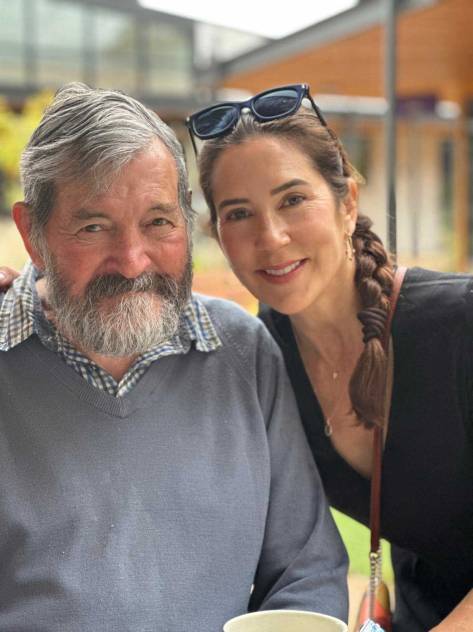
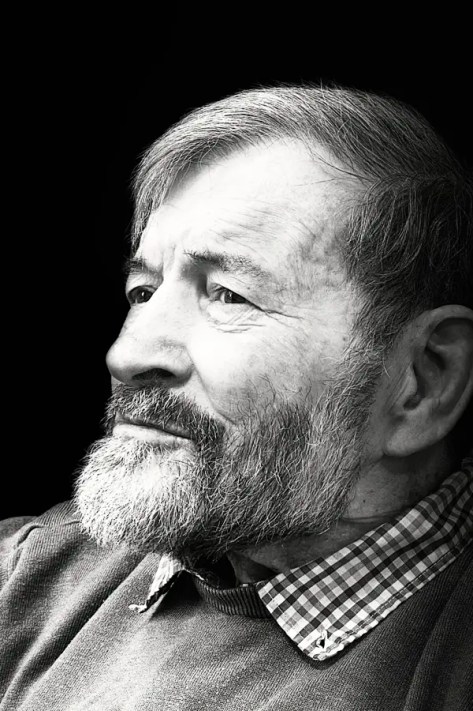
This morning, the Royal Household of Denmark announced the passing of Professor John Dalgleish Donaldson, father of Her Majesty Queen Mary of Denmark. He was 84 years old.
Professor Donaldson passed away in Hobart, Tasmania.
In a statement, Her Majesty the Queen wrote:
“My heart is heavy, and my thoughts are grey. My beloved father has passed away. But I know that when the grief settles, the memories will brighten my day, and what will remain strongest is love and gratitude for everything he gave me and taught me.”
Born in Scotland on September 5th, 1941, Professor Donaldson was a Scottish-born Australian academic whose career was closely associated with the University of Tasmania in Hobart. He served as Professor of Applied Mathematics and was known for his work in statistics and numerical analysis, as well as for mentoring generations of students.
He graduated from the University of Edinburgh in 1963 with a Bachelor of Science with honours in Mathematics and Physics. Later that year, on August 31st, he married Henrietta Clark Horne in Port Seton, Scotland. The couple emigrated to Tasmania in November 1963, where Professor Donaldson continued his academic career.
In 1967, he completed a Doctor of Philosophy in Mathematics at the University of Tasmania under the supervision of Professor David Elliott. He subsequently joined the academic staff, serving as a lecturer in Applied Mathematics before later being appointed Dean of the Faculty of Science, a position he held until his retirement.
His academic work focused particularly on numerical analysis, and his career demonstrated a sustained commitment to both research and teaching within the Australian university system.
Professor Donaldson and his first wife had four children: Jane Donaldson Stevens, Patricia Donaldson Bailey, John Stuart Donaldson Jr., and Mary Elizabeth Donaldson, now Her Majesty Queen Mary of Denmark.
Henrietta Donaldson passed away on November 20th, 1997. He later married the British-born novelist Susan Elizabeth Horwood, known under the pen name Susan Moody.
Professor Donaldson is survived by his four children and eight grandchildren, including the four children of Their Majesties King Frederik X and Queen Mary of Denmark.
A private memorial service for the late Professor John Dalgleish Donaldson will be held at a later date.
My deepest condolences to the late Professor Donaldson’s family and friends.
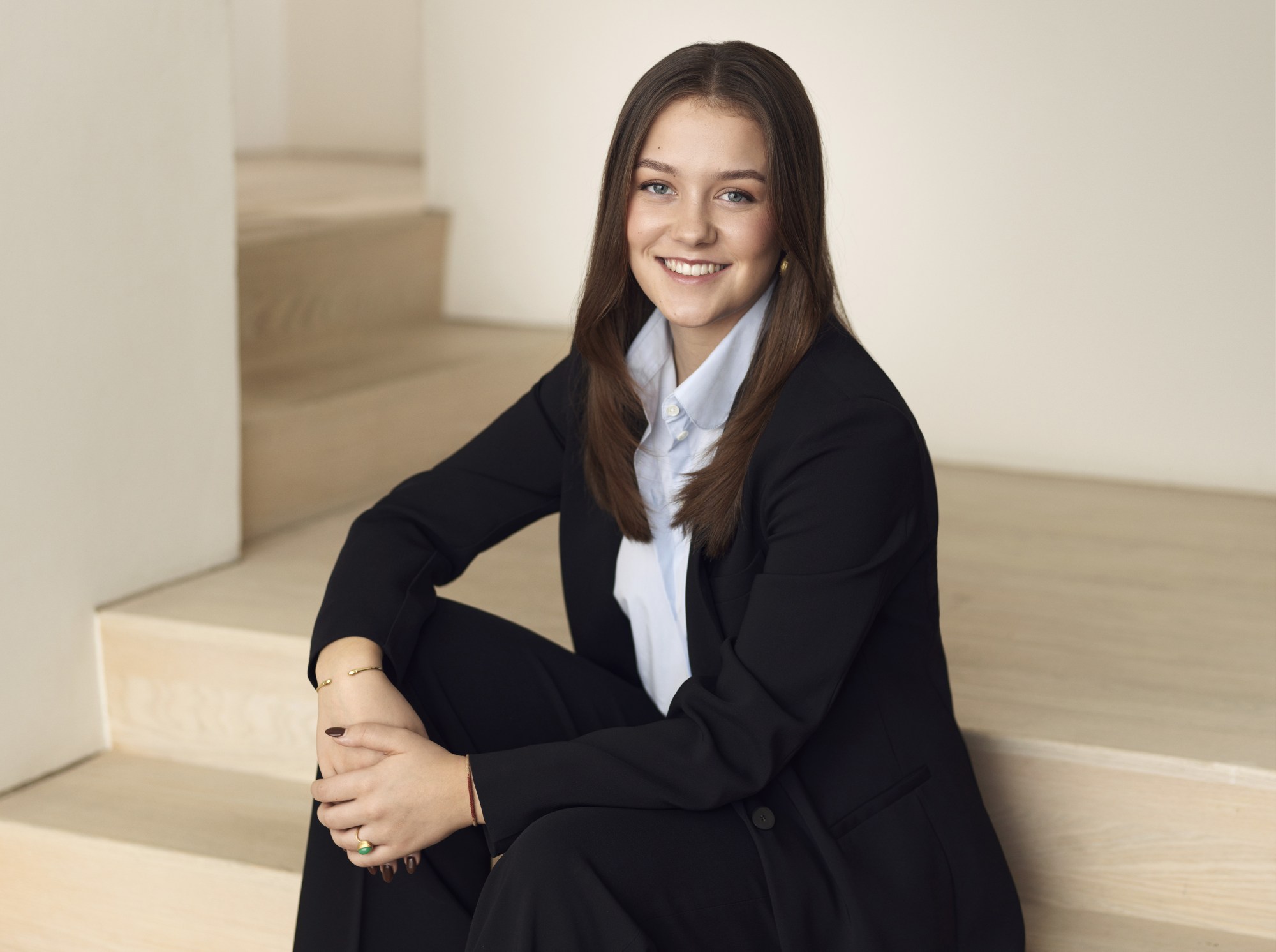
In Copenhagen, the Head of Communications for the Royal Household of Denmark, Ms. Nina Z. Munch-Perrin, issued a press release to announce that Her Royal Highness Princess Isabella of Denmark will undertake her military conscription with the Guard Hussar Regiment in Slagelse beginning in August 2026, following the completion of her upper secondary education.
The Princess will be among the first to serve under the Kingdom of Denmark’s reformed conscription system, established under the Forsvarsforlig 2024–2033, concluded in June 2023 between the Danish Government and a broad majority of political parties in the Folketinget.
The reform extends conscription from four months to eleven months, combining basic training with operational service, and forms part of a broader effort to strengthen military readiness in response to changing security conditions in Europe.
The Guard Hussar Regiment is the oldest regiment in the Danish Army, dating back to 1614, with the motto In Actis Esto Volucris.
Princess Isabella’s forthcoming service follows that of her brother and father. His Royal Highness Crown Prince Christian of Denmark completed his military training with the Guard Hussar Regiment in May 2025 and has since continued his military training as part of the lieutenant officer training program.
His Majesty King Frederik X began his military career in 1986, when he was the Crown Prince, with Den Kongelige Livgarde. In 1988, he was commissioned as a lieutenant of the reserve and served as a platoon commander with the Guard Hussar Regiment. He was promoted to first lieutenant of the reserve in 1989.

 The Royal Correspondent