Tag Archives: Royal Family of Norway

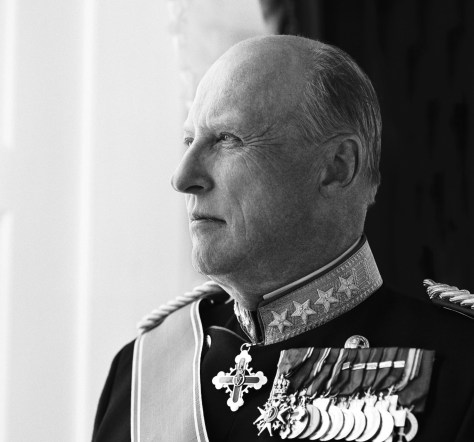
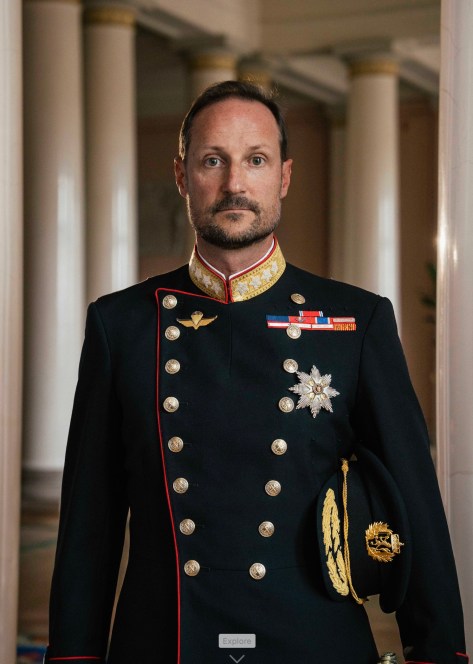
King Harald V of Norway Dies at 89; A New Reign Begins Under King Haakon VIII

In Oslo, the Royal Court of Norway announced that His Majesty King Harald V of Norway passed away peacefully at 6:35 a.m. at Rikshospitalet.  He was 89 years old.

The King had been admitted to the hospital on Monday, Aug. 17th, following a medical examination. In the weeks before his admission, he had been receiving cortisone treatment for hemolytic anaemia. The treatment caused fluid accumulation in his body and required hospital care.

On Sunday, Aug. 23rd, the Royal Court announced that the King’s health had deteriorated over the weekend. He was receiving antibiotics for a bacterial infection in his bloodstream. The Royal House said at the time that he had responded to treatment and that his condition was stable.

On Thursday, Aug. 27th, the Royal Court announced that the King’s condition had deteriorated further and described it as “very serious.”

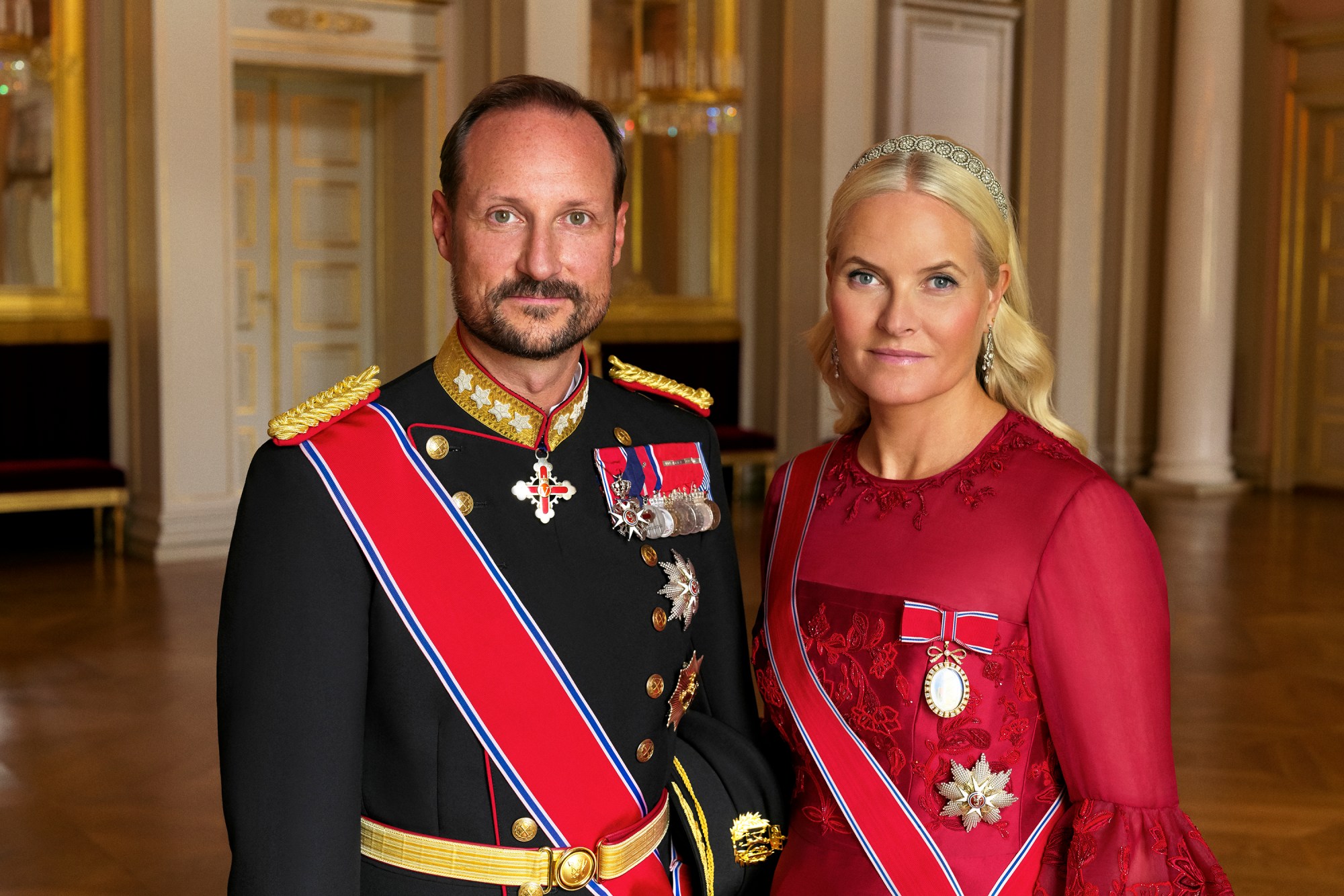
Following the King’s death, Crown Prince Haakon acceded to the throne. During an extraordinary Council of State meeting at the Royal Palace in Oslo, he announced that he would reign as His Majesty King Haakon VIII of Norway and retain the motto Alt for Norge (All for Norway).

King Haakon VIII, with Her Royal Highness Crown Princess Ingrid Alexandra of Norway at his side, formally informed the Council of State of his father’s death.

“Prime Minister and Ministers,

It is my duty to inform the Council of State that my dear father, His Majesty King Harald V, died today, 28 August 2026, at 06:35, and that in accordance with the provisions of the Constitution, I have assumed the government as King of Norway.

I will take the name Haakon VIII and will continue the same motto that my father, grandfather and great-grandfather chose: ‘Alt for Norge.’”

King Haakon VIII is scheduled to take the constitutional oath before the Storting on Tuesday, Sept. 1st, at 1 p.m. 

Article 9 of the Constitution of the Kingdom of Norway provides that the King must promise and swear to govern the Kingdom of Norway in accordance with its Constitution and laws.

If the Storting is not sitting when the King assumes the throne, the oath is submitted in writing during a Council of State meeting and repeated solemnly before the Storting at its first subsequent session.

With the constitutional succession now underway, the Kingdom of Norway is preparing to bid farewell to one of the longest-serving monarchs in its modern history. His Majesty King Harald V’s life was shaped by war, exile, duty, family, sport and an unwavering commitment to his country.

The King’s Life

Born Prince Harald on Feb. 21st, 1937, at Skaugum, outside Oslo, he was the only son of Crown Prince Olav, later King Olav V, and Crown Princess Märtha of Norway. He was also the grandson of King Haakon VII.

For his first few years, Prince Harald lived a relatively peaceful life with his elder sisters, Princess Ragnhild and Princess Astrid. That peace ended on April 9, 1940, when Nazi Germany invaded the Kingdom of Norway.

The royal family was forced to leave the country. Crown Princess Märtha took Prince Harald and his sisters first to Sweden and later to the United States, where they spent much of the Second World War in exile.

The Kingdom of Norway was liberated on May 8th, 1945. One month later, on June 7th, 8-year-old Prince Harald returned to Oslo with King Haakon VII, his mother and his sisters. They were welcomed by Crown Prince Olav and large crowds of Norwegians.

That homecoming became one of the defining experiences of Prince Harald’s childhood.

Prince Harald later attended schools in Oslo, received military training and studied political science, economics and history at Balliol College, University of Oxford.

On Sept. 21st, 1957, King Haakon VII died. Prince Harald became Crown Prince of Norway, while his father acceded to the throne as King Olav V of Norway.

As Crown Prince, Harald gradually assumed official responsibilities and represented the Kingdom of Norway at home and abroad.

On Aug. 29th, 1968, Crown Prince Harald married Miss Sonja Haraldsen at Oslo Cathedral. Their marriage was regarded as a significant moment for the Norwegian monarchy because Miss Haraldsen came from outside a royal or aristocratic family.

The couple had two children: Princess Märtha Louise and Prince Haakon, later Crown Prince Haakon.

Crown Prince Harald became King of Norway on Jan. 17th, 1991, following the death of his father. Four days later, on Jan. 21st, he swore an oath to uphold the Constitution of the Kingdom of Norway.

On June 23rd, 1991, King Harald V and Queen Sonja were consecrated at Nidaros Cathedral in Trondheim. He adopted the same motto as his father and grandfather: Alt for Norge.

Throughout his life, King Harald V was known for his love of sailing and the outdoors. He represented Norway at three Olympic Games and continued to compete in sailing events for many years.

For more than three decades, King Harald V served as Norway’s head of state. His reign was marked by a steady public presence, a close connection with the Norwegian people, and a deep sense of duty to his country.

King Harald V’s final public appearance was on July 13th, 2026, when he hosted a reception for the Norwegian Men’s National football team in the Small Banqueting Hall at the Royal Palace in Oslo. The reception followed the team’s historic World Cup achievement.

King Harald V is survived by his wife, Queen Sonja, their daughter, Princess Märtha Louise, their son, King Haakon VIII, his five grandchildren; and his sister, Princess Astrid, Mrs. Ferner.

King Harald V’s life spanned war and peace, exile and royal service. At the centre of it all was the promise expressed in his royal motto Alt for Norge.
King Harald V of Norway’s Health Deteriorates During Hospitalization in Oslo, Palace Confirms

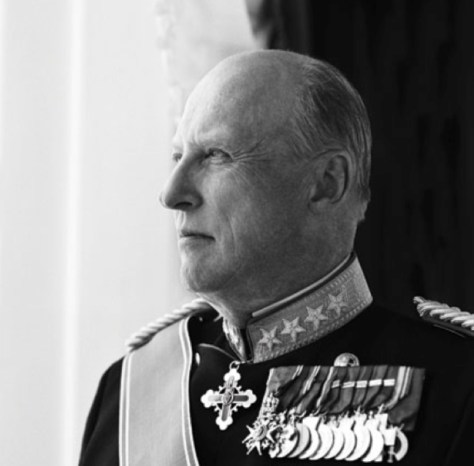
Portrait courtesy of Det Kongelige Hoff

This afternoon in Oslo, the Royal Court of Norway issued a press release regarding the health of His Majesty King Harald V of Norway.

His Majesty the King’s health deteriorated over the weekend. The King is receiving antibiotics for a bacterial infection in his blood and has responded to this treatment.

The situation is stable. The King remains at Rikshospitalet and is on sick leave until further notice.

On August 17th, His Majesty the King was admitted to Rikshospitalet in Oslo following a medical examination.

The 89-year-old King had been receiving cortisone for hemolytic anemia in recent weeks. The Royal Court stated that the treatment had led to fluid accumulation in his body, which required treatment in hospital.

King Harald V had initially been placed on sick leave for two weeks.

The hospitalization came after King Harald V was admitted to hospital while on a private holiday in Tenerife on February 23rd, 2026. At the time, the King was treated for an infection and dehydration at Hospital Universitario Hospiten Sur in Santa Cruz de Tenerife. His condition was described as good under the circumstances.

King Harald V has experienced several health-related hospitalizations in recent years. In February 2024, he was admitted to hospital while vacationing with Her Majesty Queen Sonja of Norway on the island of Langkawi, Malaysia, after developing a serious infection. During that hospitalization, he received a temporary pacemaker because of a low heart rate.

The King returned to Norway after being medically evacuated from Malaysia and has continued to carry out his constitutional duties, although his health has required periodic medical treatment and periods of sick leave.

King Harald V of Norway Hospitalized for Hemolytic Anemia, Palace Confirms

Portrait courtesy of Det Kongelige Hoff

The Royal Court of Norway announced that His Majesty King Harald V of Norway was admitted this afternoon to Rikshospitalet in Oslo following a medical examination.

The 89-year-old King has been receiving cortisone for hemolytic anemia in recent weeks. The Royal Court stated that the treatment has led to fluid accumulation in his body, which requires treatment in hospital.

King Harald will be on sick leave for two weeks. During this period, His Royal Highness Crown Prince Haakon of Norway will serve as Regent.

The hospitalization comes after King Harald V was admitted to hospital while on a private holiday in Tenerife on February 23rd, 2026. At the time, the King was treated for an infection and dehydration at Hospital Universitario Hospiten Sur in Santa Cruz de Tenerife. His condition was described as good under the circumstances.

King Harald V has experienced several health-related hospitalizations in recent years. In February 2024, he was admitted to hospital while vacationing with Her Majesty Queen Sonja of Norway on the island of Langkawi, Malaysia, after developing a serious infection. During that hospitalization, he received a temporary pacemaker because of a low heart rate.

The King returned to Norway after being medically evacuated from Malaysia and has continued to carry out his constitutional duties, although his health has required periodic medical treatment and periods of sick leave.

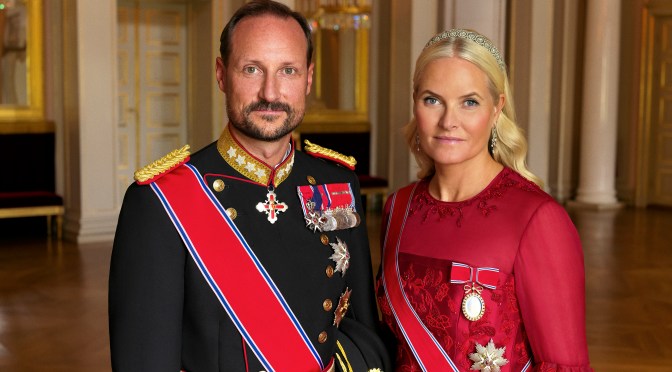
Crown Prince Haakon of Norway Shortens Japan Visit Due to Crown Princess Mette-Marit’s Deteriorating Health, Palace Confirms

Portrait courtesy of Det Kongelige Hoff

In Oslo, the Royal Household of Norway has announced that His Royal Highness Crown Prince Haakon of Norway will shorten his forthcoming official visit to Japan due to the health condition of Her Royal Highness Crown Princess Mette-Marit of Norway.

According to the Royal Household, the Crown Prince will maintain his official program in Tokyo from June 1st through June 3rd, while the scheduled visit to the port city of Hachinohe on June 4th has been cancelled.

The Crown Prince had originally been scheduled to undertake an official visit to Japan from June 1st through June 4th.

In October 2018, the Royal Household of Norway announced that Crown Princess Mette-Marit had been diagnosed with chronic pulmonary fibrosis, a progressive lung disease characterized by scarring of lung tissue that can gradually impair respiratory function and breathing capacity.

Since November 2025, the number of official engagements carried out by the Crown Princess has been reduced significantly as a consequence of her health condition. 

Crown Princess Mette-Marit made a brief public appearance during Norway’s National Day celebrations on May 17th, 2026, and also attended a reception honoring Norwegian athletes who participated in the Milano Cortina Paralympic Games earlier this year.

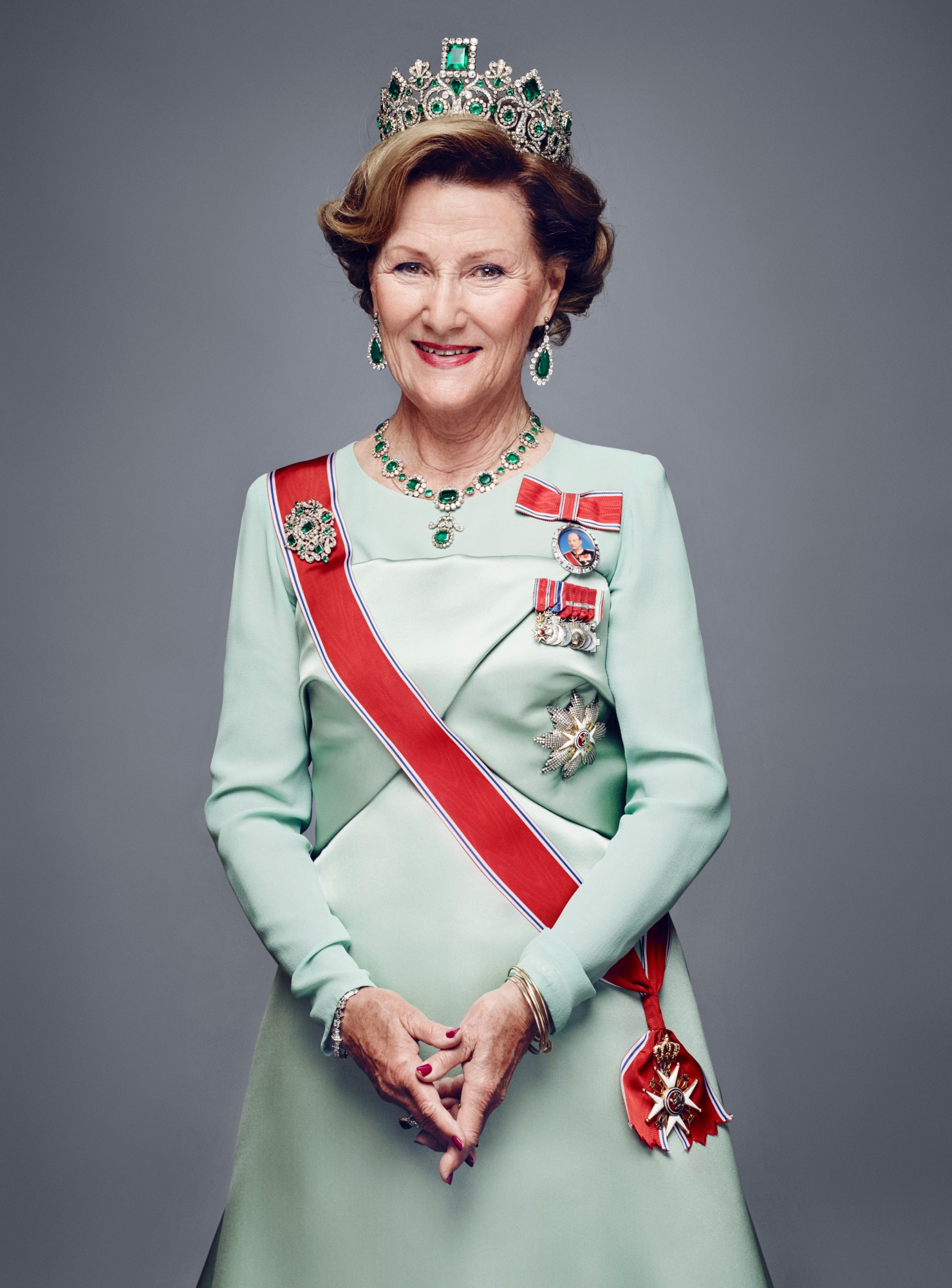
Queen Sonja of Norway Hospitalized at Rikshospitalet in Oslo Due to Heart Fibrillation and Cardiac Complications, the Palace Confirms

Portrait courtesy of Det Kongelige Hoff

In Oslo, the Royal Household of Norway has announced that Her Majesty Queen Sonja of Norway has been admitted to Rikshospitalet due to heart fibrillation and related cardiac complications.

According to the Royal Household, Her Majesty the Queen will remain hospitalized for the next several days for examinations and observation.

The announcement follows a series of recent health-related absences involving Her Majesty the Queen. On Saturday, May 18th, Communications Adviser to the Royal Household, Mr. Simen Løvberg Sund, confirmed to the Norwegian newspaper Dagbladet that Her Majesty the Queen had cancelled her official program after experiencing heart fibrillation.

Her Majesty the Queen had been scheduled to participate alongside His Majesty King Harald V of Norway and His Royal Highness Crown Prince Haakon of Norway in receiving the Prime Minister of the Republic of India, Narendra Modi, at the Royal Palace for an official audience and luncheon held in connection with the Prime Minister’s official visit to the Kingdom of Norway.

On January 16th, 2025, Her Majesty the Queen underwent pacemaker implantation surgery at Rikshospitalet following a previous episode of heart fibrillation experienced during a skiing trip. Prior to the procedure, the Queen had been briefly hospitalized in Lillehammer for observation before returning to Oslo for treatment intended to stabilize her heart rhythm.

In April 2025, Her Majesty the Queen was again admitted to hospital after experiencing shortness of breath while staying at the royal family’s residence in Sikkilsdalen. The Royal Household later described that hospitalization as precautionary in nature.

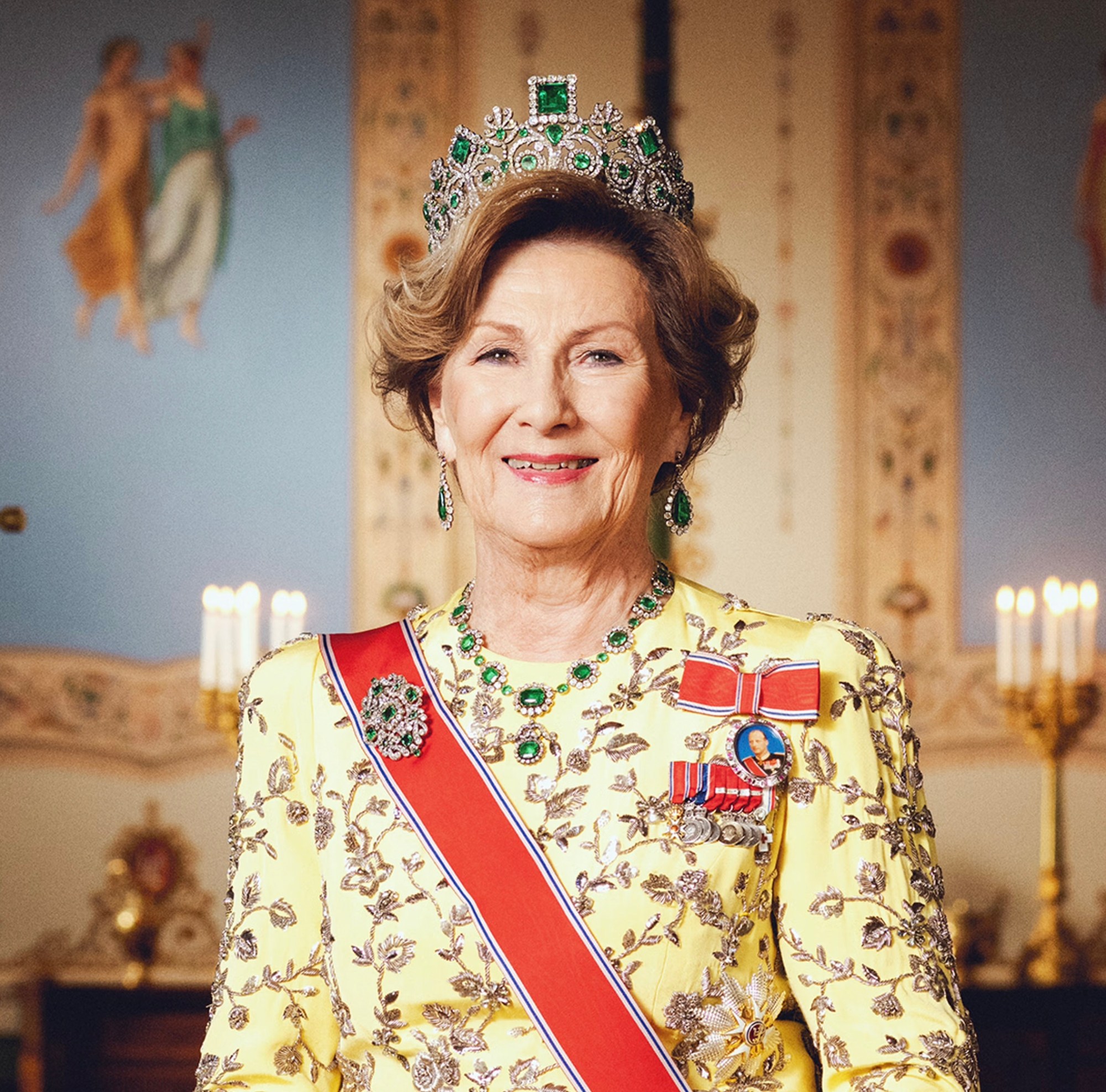
Queen Sonja of Norway Cancels Official Program Due to Heart Fibrillation

Portrait courtesy of Det Kongelige Hoff/Kimm Saatvedt

In Oslo, the Communications Adviser to the Royal Household of Norway, Mr. Simen Løvberg Sund, confirmed to the Norwegian newspaper Dagbladet that Her Majesty Queen Sonja of Norway had cancelled her official program after experiencing heart fibrillation.

Her Majesty Queen Sonja had been scheduled to participate alongside His Majesty King Harald V of Norway and His Royal Highness Crown Prince Haakon of Norway in receiving the Prime Minister of the Republic of India, Narendra Modi, at the Royal Palace for an official audience and luncheon held in connection with the Prime Minister’s official visit to the Kingdom of Norway.

The Queen did not participate in the engagements, and her name was subsequently removed from the official program published by the Royal Household of Norway.

This morning’s announcement comes several months after Her Majesty the Queen had a pacemaker implanted at Rikshospitalet in Oslo on January 16th, 2025, following an earlier episode of heart fibrillation experienced during a skiing trip.

Prior to the procedure, the Queen had been briefly hospitalized in Lillehammer for observation before later returning to Oslo, where the pacemaker was inserted in order to stabilize her heart rhythm.

In April 2025, the Queen was again admitted to hospital after experiencing shortness of breath while staying at the royal family’s residence in Sikkilsdalen. The Royal Household of Norway later confirmed that the hospitalization had been precautionary in nature.

Crown Prince Haakon and Prince Sverre Magnus of Norway Attend Launch of Reconstructed Myklebust Viking Ship, One of Norway’s Largest Archaeological Discoveries

On Saturday, His Royal Highness Crown Prince Haakon of Norway, accompanied by his son, His Highness Prince Sverre Magnus of Norway, carried out an official visit to Nordfjordeid, in the municipality of Stad, where they attended the launch of the Myklebust ship.

The vessel is a full‑scale reconstruction based on archaeological remains uncovered during the excavation of the Rundehågjen burial mound on the Myklebust farm in Nordfjordeid in 1874. The investigation was undertaken by the Norwegian archaeologist Anders Lorange, who had been dispatched from Bergen after reports of a major burial mound, which prompted archaeological interest.

Mr. Lorange’s excavation revealed extensive evidence of a ship burial of exceptional scale. Within the mound, he identified a substantial layer of charcoal and ash, together with several hundred iron rivets and nails, establishing that a large seagoing vessel had been deliberately burned as part of a funerary rite.

Dated to the 9th century, the burial also contained weapons, shield fittings, and other high-status objects, indicating that the site formed part of an elite funerary landscape associated with regional power structures in western Norway during the Viking Age. 

In what is regarded as a distinctive feature within the Scandinavian context, the Myklebust mound represents a cremation-based ship burial, in contrast to the inhumation ship graves more commonly preserved at other major Viking-age sites. It has long been regarded as one of the most significant archaeological monuments of its kind in Norway, and it remains a site of ongoing archaeological interest.

The reconstruction of the vessel reflects a combination of archaeological interpretation and traditional boatbuilding practices, forming part of broader efforts to present and reassess Norway’s maritime heritage. These efforts are also connected to ongoing work related to a potential nomination of the site for inclusion on the UNESCO World Heritage List.

The visit began at Sagastad, a knowledge centre dedicated to the Viking Age and the Myklebust discoveries, where they were briefed on the historical significance of the site and the process underlying the reconstruction. 

The visit continued at the burial mound known as Rundehågjen, where representatives from the University of Bergen and local authorities provided an overview of both the original excavation and more recent archaeological investigations aimed at refining understanding of the site through modern methodologies.

The reconstructed vessel, based on evidence from the 1874 excavation and subsequent research, was later launched onto the fjord. As part of the visit, the Crown Prince and the Prince joined members of a local rowing guild in rowing the vessel, participating in a demonstration of traditional seafaring practices associated with Viking-age vessels.