Princess Lalla Hasnaa of Morocco Represents the Kingdom of Morocco at a White House Summit Hosted by Melania Trump

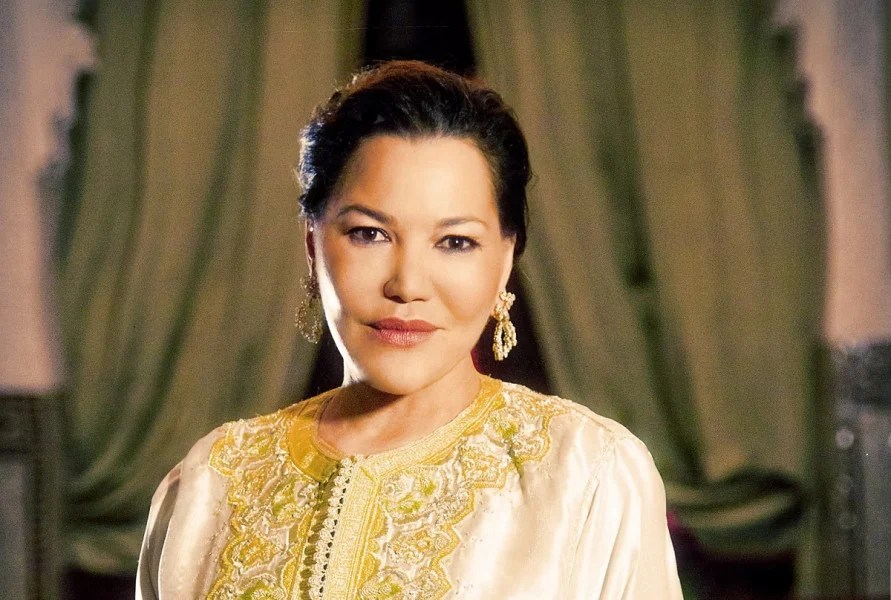
Official portrait courtesy of Agence Maghreb Arabe Presse

In Washington, D.C., Her Royal Highness Princess Lalla Hasnaa of Morocco represented the Kingdom of Morocco at a high-level summit held at the White House on children’s well-being and digital development, at the invitation of the First Lady of the United States of America, Melania Trump.

The meeting, titled Fostering the Future Together, brought together representatives from approximately 40 countries, alongside technology sector participants, to discuss international cooperation on children’s protection and empowerment in the digital era.

According to Agence Maghreb Arabe Presse, the initiative aims to promote children’s well-being through education, innovation, and access to technology, while addressing emerging challenges linked to artificial intelligence and digital inequality.

In her remarks delivered during the summit, Princess Lalla Hasnaa emphasized that preparing younger generations for the digital age constitutes a shared international responsibility, warning of the risks posed by widening disparities in access to technology.

She also outlined the Kingdom of Morocco’s commitment to strengthening national frameworks for digital protection and expanding programs focused on digital literacy and inclusion. The Kingdom, she said, intends to contribute to international cooperation efforts, including through the sharing of best practices with African partners.

The summit included remarks from several international participants, including representatives from the French Republic, the United Arab Emirates, the Republic of Poland, the Republic of Panamá, the Republic of Sierra Leone, and the Republic of Malawi. 

The event concluded with a reception at the White House for the attending delegations.
King Frederik X of Denmark Asks Prime Minister Mette Frederiksen to Lead Denmark Government Formation Talks After Election

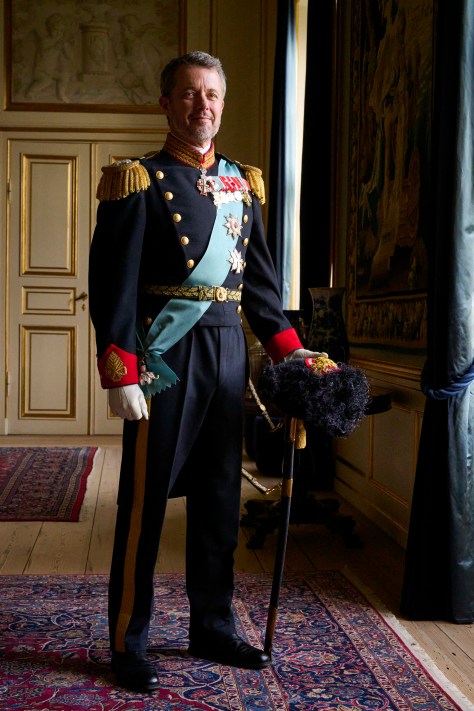
In Copenhagen, His Majesty King Frederik X of Denmark has requested the Prime Minister of the Kingdom of Denmark, Mette Frederiksen, to lead negotiations to form a new government, following consultations with party representatives at Amalienborg after the general election of March 24th, 2026.

Earlier in the day, the Prime Minister formally submitted the resignation of her government to the King, in accordance with Danish constitutional practice. She continues in office in a caretaker capacity pending the formation of a new administration.

Consultations held at Amalienborg brought together representatives of parties elected to the Folketing, who advised the King on the designation of a “royal investigator” (kongelig undersøger) to lead government formation talks.

According to the Royal Household of Denmark, in a statement issued by Hofmarskal, Christian Schønau, parties representing the largest number of seats in the Folketing, recommended that Prime Minister Frederiksen be tasked with leading negotiations. These parties, including Socialdemokratiet, Socialistisk Folkeparti, Enhedslisten, Radikale Venstre, and Alternativet, together account for 84 mandates.

Parties from the liberal and conservative blocs, including Venstre, Liberal Alliance, Dansk Folkeparti, Det Konservative Folkeparti, and Danmarksdemokraterne, representing 73 mandates, proposed Venstre leader, Troels Lund Poulsen, as an alternative candidate to lead negotiations.

The Moderates (Moderaterne), holding 14 seats, recommended their leader, Lars Løkke Rasmussen, as a potential royal investigator to explore the formation of a government across the political center.

Following the consultations, the caretaker Prime Minister Frederiksen advised the King that the parties commanding the largest parliamentary support had indicated her as the preferred leader of negotiations. Acting on this advice, the King formally requested Prime Minister Frederiksen to undertake the task of forming a new government, with a view to a coalition including Socialistisk Folkeparti and Radikale Venstre.

No single bloc commands an outright majority in the 179-seat Folketing, where 90 seats are required. The outcome leaves open the possibility of coalition negotiations across traditional political alignments or the formation of a minority government supported by external parties.

Under Denmark’s constitutional framework, the Sovereign acts based on parliamentary indications and does not exercise discretion in the political selection of a government. The process now enters a negotiation phase, the duration and outcome of which remain uncertain.