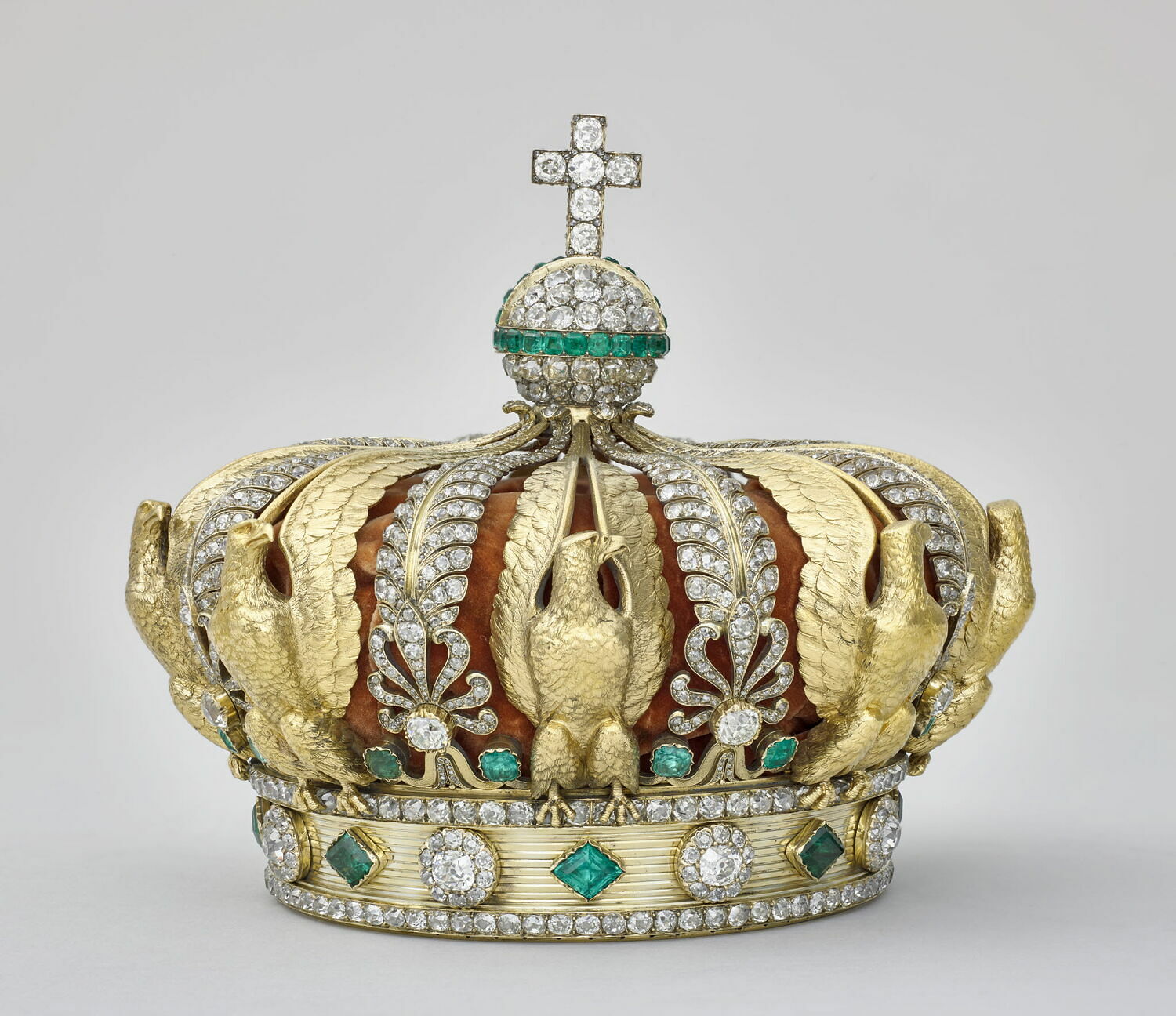
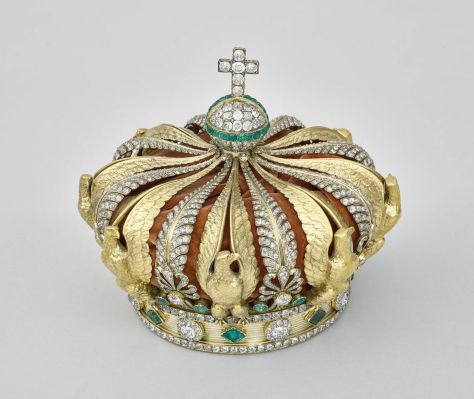
Lemonnier, Alexandre-Gabriel, Musée du Louvre, OA 11160 – https://collections.louvre.fr/ark:/53355/cl010101145 – https://collections.louvre.fr/CGU
On Sunday, October 19, 2025, at around 9:30 a.m., thieves broke into the Galerie d’Apollon at the Musée du Louvre in Paris, France, and stole several pieces from the Joyaux de la Couronne de France. The Musée du Louvre, which had just opened for the day, was swiftly evacuated and closed “pour raisons exceptionnelles.”
According to French investigators from the Préfecture de police de Paris and the police judiciaire, the assailants used a truck-mounted platform to reach an upper-floor window under renovation, forced entry, smashed several display cases, and fled on motorbikes. The entire operation lasted between four and seven minutes.
The Ministère de l’Intérieur de la République française, led by Laurent Nuñez, Ministre de l’Intérieur, confirmed that eight pieces were taken from a collection associated with Emperor Napoléon III and Empress Eugénie. One of the stolen items, believed to be the Couronne de l’Impératrice Eugénie, set with 1,354 diamonds and 56 emeralds, was later recovered outside the museum, damaged after being dropped during the thieves’ escape.
According to an official communiqué from the Ministère de la Culture de la République française, the following historical pieces from the Joyaux de la Couronne de France were stolen from the Musée du Louvre:
- Diadème de la parure de la reine Marie-Amélie et de la reine Hortense
- Collier de la parure de saphirs de la reine Marie-Amélie et de la reine Hortense
- Boucle d’oreille (d’une paire) de la parure de saphirs de la reine Marie-Amélie et de la reine Hortense
- Collier en émeraudes de la parure de Marie-Louise
- Paire de boucles d’oreilles en émeraudes de la parure de Marie-Louise
- Broche dite broche reliquaire
- Diadème de l’impératrice Eugénie
- Grand nœud de corsage de l’impératrice Eugénie (broche)
In a statement, Minister Nuñez described the stolen items as possessing “une valeur patrimoniale et historique inestimable.” A full investigation has been opened by le parquet de Paris for organised theft and criminal conspiracy. The Musée du Louvre and the Ministère de l’Intérieur de la République française are working closely with the Brigade de répression du banditisme (BRB), the specialised art-crime unit, which is reviewing CCTV and forensic evidence to determine whether the robbery involved insider coordination or prior surveillance.
The jewels were displayed in reinforced glass vitrines within the Galerie d’Apollon, a space often described as the architectural prelude to the Galerie des Glaces (Hall of Mirrors) at Château de Versailles. The collection, part of the Musée du Louvre’s permanent exhibition, showcases the surviving pieces of the French Crown Jewels after most were sold by the Third Republic in 1887. Those retained by the State were preserved as national heritage, representing the artistic craftsmanship of France’s royal and imperial courts.
The significance of the theft extends far beyond monetary value. The Galerie d’Apollon, built under King Louis XIV and later refurbished under Emperor Napoléon III, is one of the Musée du Louvre’s most emblematic spaces, a symbol of the French monarchy and the continuity of royal and imperial heritage. The jewels displayed there form part of the Joyaux de la Couronne, a collection that includes crowns, diadems, and parures once worn by French sovereigns and consorts.
The Couronne de l’Impératrice Eugénie, created in 1855 by Alexandre-Gabriel Lemonnier, was designed for the Empress as a symbol of the Second Empire’s splendour. Empress Eugénie, renowned for her elegance and taste, helped define the fashion and court aesthetics of her era. The crown, with its distinctive arches and intricate gemstone setting, represents not only imperial luxury but also a tangible link to the history of France’s monarchy and empire.
Security measures at the Louvre have long been considered among the most advanced in Europe, combining motion sensors, reinforced glass, and 24-hour surveillance. However, the ongoing renovation works in the Galerie d’Apollon may have created vulnerabilities now under investigation. The French press has reported that the museum will conduct a full internal audit once the criminal inquiry concludes.
This theft is a severe blow to the French Republic’s cultural patrimony. The Joyaux de la Couronne are among the last remaining symbols connecting modern France to its royal and imperial past.
As of Sunday evening, the Musée du Louvre remains closed while police continue their investigation. The Ministère de la Culture has pledged to review security protocols for national collections housed within public museums.
This incident recalls another historic loss at the Louvre, the 1911 theft of the Mona Lisa, which was taken by a museum employee and remained missing for two years before its recovery in Italy. Over a century later, the 2025 heist once again raises pressing questions about the protection of the French Republic’s most treasured works and the enduring vulnerability of national heritage.
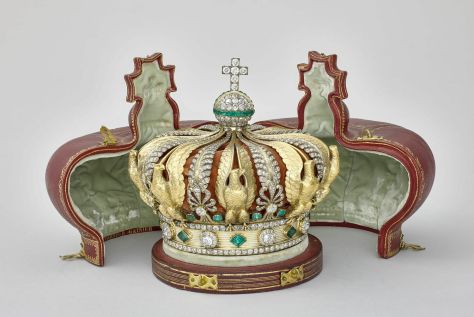
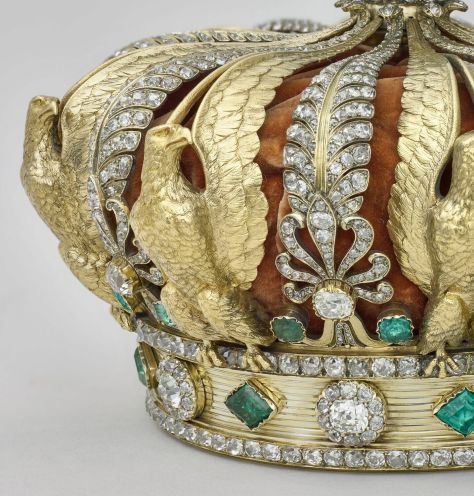
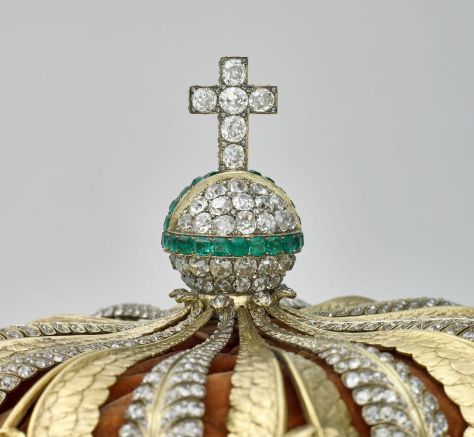
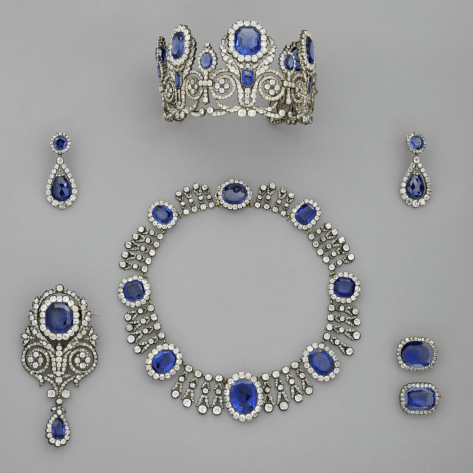
Diadème de la parure de la reine Marie-Amélie et de la reine Hortense. Photos courtesy of the Musée du Louvre/Domaine public. 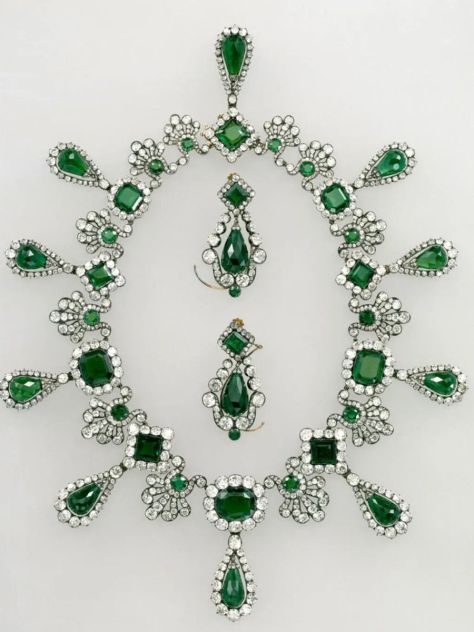
Collier en émeraudes de la parure de Marie-Louise.Photos courtesy of the Musée du Louvre/Domaine public. 
Diadème de l’impératrice Eugénie. Photos courtesy of the Musée du Louvre/Domaine public. 
Grand nœud de corsage de l’impératrice Eugénie (broche). Photos courtesy of the Musée du Louvre/Domaine public.
 The Royal Correspondent